
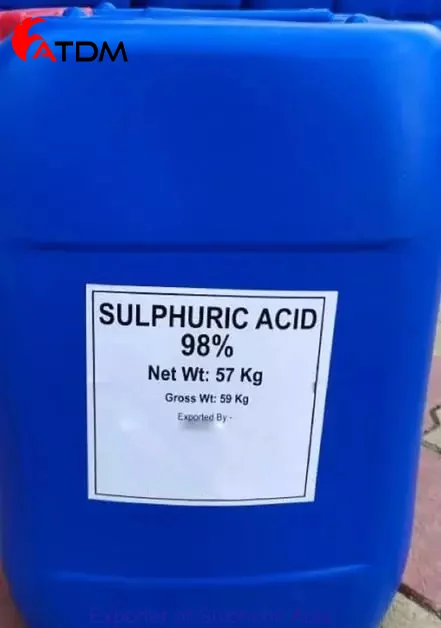
At its core, sulfuric acid formula is:
H₂SO₄
In practical terms, that means:
Table of Contents
ToggleTwo hydrogen atoms
One sulfur atom
Four oxygen atoms
When people ask about “sulfuric acid formula with charge”, they’re usually referring to its behavior in solution. Sulfuric acid is a strong diprotic acid, meaning it can release two protons (H⁺):
First dissociation (complete):
H₂SO₄ → H⁺ + HSO₄⁻
Second dissociation (partial):
HSO₄⁻ ⇌ H⁺ + SO₄²⁻
That second step matters a lot in process chemistry, especially when you’re controlling pH or reacting with bases.
You can memorize specs, but what matters is how sulphuric acid behaves when you’re working with it.
Key properties:
Sulfuric acid melting point (mp): ~10°C
Boiling point: ~337°C
Density: ~1.84 g/cm³ (concentrated)
Sulfuric acid pH: ~0 to 1 (very strong acid)
What this means in practice:
In colder climates, you will see crystallization issues if storage tanks aren’t insulated.
It’s highly viscous compared to water this affects pumping systems.
It generates heat when mixed with water. Always remember:
Add acid to water, never the other way around.
I’ve seen tank deformation and pipe stress just from improper dilution practices.
You’ll find sulphuric acid almost everywhere in heavy industry. Here’s how it’s actually used on the ground:
1. Fertilizer Production
This is the largest consumption sector.
Production of phosphoric acid
Manufacturing ammonium sulfate
If you’re supplying to fertilizer plants, consistency in concentration (usually 98%) is critical. Even slight dilution affects downstream reactions.
2. Chemical Manufacturing
sulphuric acid is a core reagent in:
Synthetic resins
Explosives
Dyes
In these industries, impurity levels matter more than you might expect. Trace metals can ruin batches.
3. Petroleum Refining
In refineries, sulfuric acid is used for:
Alkylation processes
Removing impurities
Here, acid strength and regeneration cycles are key. Spent acid handling becomes a major operational cost.
4. Metal Processing
Used in:
Pickling steel
Removing oxidation layers
From experience, the biggest issue here is acid degradation over time iron contamination builds up fast.
5. Battery Industry
Sulfuric acid is essential for:
Lead-acid batteries
Battery-grade acid requires tight quality control, especially regarding conductivity and purity.
Let’s be very clear sulfuric acid on skin is dangerous, and not in a theoretical sense.
What actually happens:
Immediate dehydration of tissue
Heat generation (exothermic reaction)
Chemical burns that deepen over time
I’ve seen minor splashes turn into serious injuries because people underestimated delayed damage.
Proper response:
Flush immediately with large amounts of water (at least 15 minutes)
Remove contaminated clothing
Do NOT try to neutralize on the skin it can worsen the reaction
Facilities that handle sulfuric acid must have:
Emergency showers
Eye wash stations
Trained personnel
No exceptions.
Storage Tanks
Carbon steel is commonly used for concentrated acid
For diluted acid, corrosion risk increases significantly
Temperature Control
Keep above ~15°C to avoid crystallization
Use insulation or heating coils in colder regions
Transfer Systems
Acid-resistant pumps (PTFE-lined or alloy-based)
Avoid contamination water ingress is a major issue
Common Mistakes I’ve Seen:
Using the wrong gasket material
Poor venting systems
Mixing incompatible residues in tanks
These aren’t small issues they lead to leaks, pressure buildup, and safety hazards.
From a supplier/exporter perspective, sulfuric acid is not a simple shipment.
Packaging Options:
Bulk tankers (most common)
IBC containers (for smaller volumes)
Drums (limited use due to hazard level)
Transport Requirements:
Classified as hazardous material
Requires proper labeling and documentation
Must comply with international transport regulations
Port restrictions on hazardous chemicals
Temperature variations during transit
Cleaning requirements for return tanks
A reliable supplier doesn’t just ship acid they manage these variables.
If you’re sourcing sulphuric acid, you’ll notice price fluctuations. Here’s what drives it:
1. Raw Material Availability
Sulfur supply directly impacts production costs.
2. Energy Costs
Sulfuric acid production is energy-intensive.
3. Regional Demand
Fertilizer demand cycles heavily influence pricing.
4. Logistics
Freight costs can sometimes exceed the product value for long-distance shipments.
5. Concentration & Grade
Technical grade
Industrial grade
Battery grade
Higher purity = higher cost.
From experience, not all sulfuric acid is equal even if specs look similar.
Key parameters:
Concentration (% H₂SO₄)
Impurity levels (iron, heavy metals)
Color (should be clear to slightly yellow)
Density
Practical tip:
Always request:
Certificate of Analysis (COA)
Batch traceability
Sample testing before bulk orders
Skipping this step is where most buyers run into trouble.
If you’re sourcing sulfuric acid for industrial use, don’t just compare price.
Look for:
Consistent supply capability
Export experience
Proper documentation
Technical support
A good supplier understands:
Your application
Storage limitations
Delivery constraints
That’s where companies like ATDM come in not just supplying material, but ensuring it works in your operation.
Sulfuric acid is one of those chemicals that looks simple on paper but demands respect in practice.
From handling and storage to logistics and application, every step matters. I’ve seen operations run smoothly for years with proper systems and I’ve seen shutdowns caused by small oversights.