
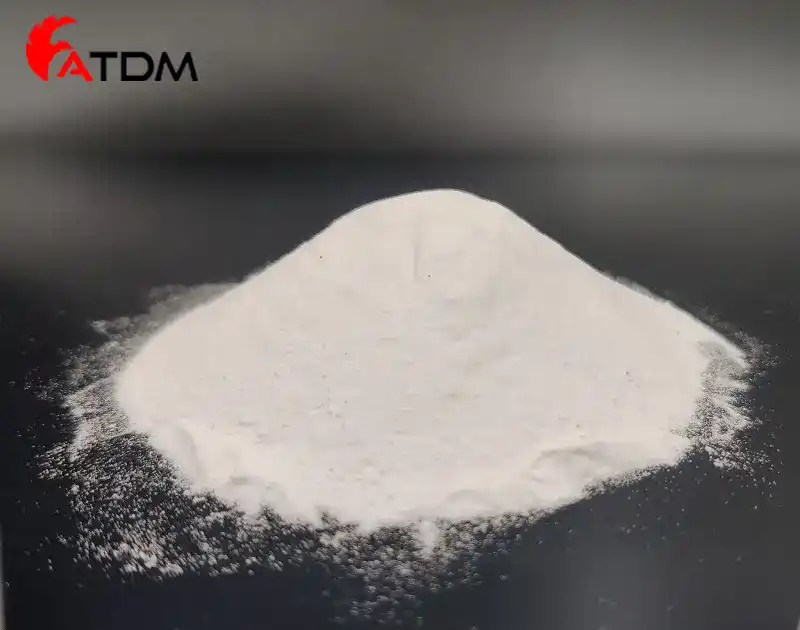
Sodium bicarbonate is a widely used alkaline powder that controls pH, neutralizes acids, releases carbon dioxide under heat, and reacts predictably in both dry and aqueous systems. In real industrial operations, it solves problems related to acidity, odor control, reaction stability, and mild alkalinity without aggressive corrosion or safety risks. Engineers, procurement managers, and plant operators use sodium bicarbonate when they need a controlled, food-safe, and process-stable alkaline material that works consistently across batches. It matters because small changes in purity, particle size, or moisture directly affect reaction speed, product quality, and downstream equipment performance.
Most people know sodium bicarbonate as baking soda. In industrial supply, that simplified view causes many purchasing mistakes.
From a technical standpoint, sodium bicarbonate is a mild alkaline salt with predictable decomposition behavior. It reacts with acids smoothly, releases CO₂ under heat, and buffers pH without sudden spikes. That balance is exactly why many industries prefer this product over stronger alkalis.
Table of Contents
ToggleIn factories, baking soda powder behaves differently depending on:
Particle size distribution
Bulk density
Residual moisture
Purity level and insoluble content
Two products with the same chemical formula can perform very differently in production lines. Experienced buyers learn this quickly—usually after the first bad batch.
The sodium bicarbonate formula is NaHCO₃. On paper, it looks simple. In practice, the reaction pathway is what matters.
Under heat, sodium bicarbonate decomposes into sodium carbonate, water, and carbon dioxide. That controlled CO₂ release is valuable in food processing, chemical reactions, and powder systems where expansion or gas release must remain predictable.
When reacting with acids, sodium bicarbonate neutralizes without violent heat generation. This is why it is used where safety, equipment protection, and controlled reactions matter more than speed.
In food plants, sodium bicarbonate baking soda must meet strict purity and solubility standards. Bakers and food engineers rely on it for controlled gas release, pH balance, and texture consistency.
Common real-world issues include:
Uneven gas release due to poor particle sizing
Residual taste from low purity material
Moisture pickup during storage
Food manufacturers usually specify tighter limits than industrial users, and suppliers must respect that difference.
In dry and semi-dry gas treatment systems, sodium bicarbonate powder neutralizes acidic gases such as SO₂ and HCl. Operators value it because it reacts at lower temperatures compared to sodium carbonate.
From experience, problems arise when:
Powder flowability is inconsistent
Bulk density causes feeding issues
Moisture leads to line clogging
Here, packaging and transport matter almost as much as chemical quality.
Chemical plants use baking soda when aggressive alkalis would damage equipment or cause uncontrolled reactions. It provides buffering capacity rather than sharp pH correction.
Engineers prefer sodium bicarbonate when:
Reaction control is more important than speed
Equipment is sensitive to corrosion
Final product purity matters
This is a practical choice, not a theoretical one.
In detergent blending, sodium bicarbonate supports mild alkalinity and odor control. Particle size consistency directly affects blending uniformity.
Low-grade material creates segregation in bulk mixes. This is one of the most common mistakes made by cost-focused buyers.
On specification sheets, buyers often focus only on purity. In operations, physical properties cause most failures.
Important parameters include:
Mean particle size
Dust level
Flow characteristics
Hygroscopic behavior
Fine sodium bicarbonate powder reacts faster but creates dust and handling issues. Coarser grades flow better but react slower. Choosing the wrong grade leads to either process inefficiency or operational headaches.
Experienced procurement teams always align particle size with application—not price.
The phrase sodium bicarbonate baking soda causes confusion in B2B trade.
Food-grade material meets stricter purity and contaminant limits. Industrial grades may be chemically identical but differ in trace metals, insolubles, and moisture tolerance.
Using industrial material in food applications is a regulatory and quality risk. Using food-grade material in heavy industry is often an unnecessary cost.
Correct grade selection saves money and prevents compliance problems.
The sodium bicarbonate price fluctuates based on more than raw material cost.
Key pricing drivers include:
Grade (food vs industrial)
Packaging type (25 kg bags, big bags, bulk)
Origin and logistics route
Consistency guarantees between batches
Cheap material often costs more after production losses, rework, or downtime. Seasoned buyers evaluate total operational cost, not invoice price.
Sodium bicarbonate absorbs moisture easily. In humid environments, improper storage leads to caking and flow problems.
From warehouse experience:
Pallets must stay off floors
Packaging integrity matters during sea transport
Ventilation reduces moisture pickup
Shipping in unsuitable containers is one of the fastest ways to downgrade product quality before it reaches the plant.
Across multiple industries, the same mistakes appear:
Buying solely on sodium bicarbonate price
Ignoring particle size requirements
Mixing grades without testing
Underestimating moisture sensitivity
These errors usually surface after production disruptions—not during purchasing.
Professional buyers evaluate this product based on:
Application-specific performance
Supplier consistency
Technical support availability
Batch-to-batch reliability
A stable supplier matters more than a one-time discount. In continuous operations, inconsistency is expensive.
Sodium bicarbonate looks simple. In reality, consistency separates reliable operations from unstable ones.
Suppliers who understand industrial usage:
Control moisture tightly
Maintain particle size consistency
Communicate changes proactively
ATDM supplies sodium bicarbonate with a focus on consistency, export-ready packaging, and clear grade differentiation. This approach reduces surprises at the plant level and supports long-term procurement planning.
Sodium bicarbonate is not a “commodity you can ignore.” Small quality differences affect reactions, equipment, and final products. Buyers who treat it as a technical material—not just a line item—avoid most operational problems.