
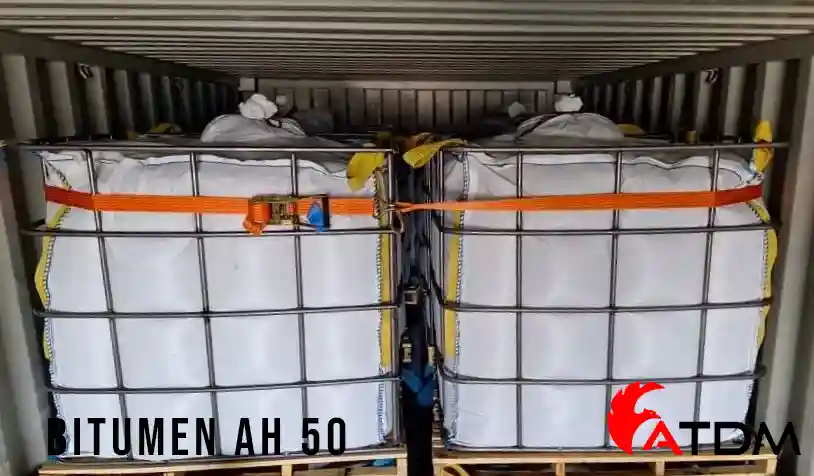
Bitumen AH 50 is a medium-hard paving grade asphalt binder designed for high-load roads, airport runways, and durable asphalt mixes. It solves a very practical problem in road construction: how to balance stiffness and flexibility under traffic and temperature stress. Contractors and asphalt plants use this grade when they need strong rutting resistance without making the pavement too brittle. In real operations, AH 50 matters because it performs predictably during mixing, transport, and compaction — and that reliability reduces complaints, rework, and long-term maintenance costs.
Bitumen AH 50 is an asphalt binder classified under the penetration grade system. The number “50” refers to its penetration range, which indicates how hard or soft the material is at 25°C under a standard test load. Compared to softer grades, AH 50 is more resistant to deformation. At the same time, it still provides enough flexibility to handle moderate thermal movement.
In simple terms:
Table of Contents
ToggleIt is harder than AH 70
It offers better rutting resistance
It is suitable for heavy traffic areas
It performs well in moderate to warm climates
Because of this balance, AH 50 is widely used in base and surface asphalt layers where structural stability is critical.
From real project experience, AH 50 is not a “light-duty” binder. It is selected when engineers expect:
High axle loads
Industrial traffic
Container terminals
Airport taxiways
Main highways
Urban roads with heavy bus routes
In these environments, softer grades may deform under repeated loading. However, AH 50 keeps the mix stable, especially in dense-graded asphalt.
Many contractors also use AH 50 in:
Hot Mix Asphalt (HMA)
Asphalt Concrete (AC)
Binder course layers
Base course asphalt
When properly designed in the mix, this grade significantly reduces rutting and bleeding in hot seasons.
In asphalt plants, consistency is everything. AH 50 melts smoothly and maintains stable viscosity during heating. This helps operators control mixing temperatures more precisely.
Typical heating range:
150–170°C for mixing
140–160°C for compaction
Because of its moderate hardness, it does not become overly fluid at high temperatures. This improves aggregate coating and reduces segregation.
In practical plant operations, this means:
Better aggregate bonding
Less drain-down
Stable storage performance
Predictable mixing cycles
When QC teams check viscosity and softening point before loading tankers, AH 50 usually shows strong uniformity between batches if produced under controlled refinery conditions.
Engineers often compare AH 50 with bitumen ah 70 when selecting materials for a project.
The key difference lies in hardness:
AH 50 → Harder, lower penetration
AH 70 → Softer, higher penetration
If the climate is hotter or traffic loads are heavier, AH 50 is generally preferred. On the other hand, colder climates may require AH 70 to prevent cracking.
In large infrastructure tenders, the choice between AH 50 and AH 70 depends on:
Pavement design
Expected lifespan
Traffic classification
Environmental conditions
Choosing the wrong grade can lead to premature rutting or cracking, so this decision is critical.
From a performance perspective, Bitumen AH 50 provides:
Because of its stiffness, AH 50 resists permanent deformation under repeated loads. This is especially important in intersections and climbing lanes.
It bonds effectively with aggregates when properly heated. Anti-stripping agents can be added if aggregates are moisture-sensitive.
It remains stable at higher pavement temperatures without excessive softening.
Despite being harder than AH 70, it still offers manageable viscosity for asphalt mixing operations.
These properties make it a strong choice for long-term pavement durability.
Bitumen AH 50 performs best in:
Warm climates
Moderate temperature regions
Areas with heavy traffic
Urban and industrial zones
In extremely cold environments, designers may prefer softer grades to avoid thermal cracking.
However, in hot regions where pavement temperatures can exceed 60°C, AH 50 provides excellent structural resistance compared to softer binders.
In real warehouse operations, improper handling creates quality issues. To maintain AH 50 quality:
Store in insulated tanks
Maintain temperature between 140–160°C
Avoid overheating above 180°C
Prevent water contamination
For export shipments, AH 50 is commonly supplied in:
Bulk tankers
Bitumen drums
Jumbo bags
Bitutainers
Bulk shipments are typically more economical depending on logistics and the current bitumen price in international markets.
Each production batch should be tested before shipment. Standard laboratory tests include:
Penetration at 25°C
Softening point (Ring & Ball)
Ductility
Flash point
Specific gravity
Loss on heating
These tests ensure that the material meets project specifications.
In real export operations, independent inspectors often verify:
Tank cleanliness
Temperature before loading
Weight accuracy
Sample retention
This prevents disputes at destination ports.
Here are the main operational benefits:
Strong resistance to heavy traffic
Reduced rutting risk
Stable mixing behavior
Long service life
Compatible with various aggregate types
Suitable for large infrastructure projects
From a contractor’s perspective, using the right grade reduces callbacks and warranty claims.
When purchasing AH 50, buyers should evaluate:
Refinery source
Consistency of supply
Lab documentation (COA, TDS)
Logistics capacity
Price stability
International buyers must also consider:
Export documentation
Loading port
Shipping method
Insurance
Payment terms
Reliable suppliers provide full documentation and transparent batch testing results.
Although bitumen is stable and non-volatile at ambient temperature, safety during heating is important.
Key safety points:
Avoid open flames
Use protective equipment
Prevent skin contact
Maintain ventilation
Flash point of AH 50 is typically above 230°C, making it safe under standard asphalt plant conditions when handled properly.
In real field projects, the main reason contractors select AH 50 is structural reliability. Softer grades may perform well initially, but under constant heavy loads they can deform.
AH 50 offers:
Long-term stability
Improved load distribution
Better pavement shape retention
For container yards and industrial parks, this becomes critical because maintenance disruptions are costly.
Is AH 50 suitable for airport runways?
Yes, when designed properly in the asphalt mix, it provides the stiffness needed for heavy aircraft loads.
Can AH 50 be modified?
Yes, it can be blended with polymers to enhance performance for specific requirements.
Is it compatible with recycled asphalt?
Yes, but the mix design must be carefully controlled to maintain performance balance.
Bitumen AH 50 is a dependable, medium-hard asphalt binder designed for demanding road applications. It delivers strong rutting resistance, stable mixing behavior, and reliable long-term pavement performance. For engineers and procurement managers, the choice of binder grade directly affects durability and lifecycle cost.
If your project involves heavy traffic, warm climate conditions, or industrial pavement structures, AH 50 is a solid and proven option. With proper handling, quality control, and correct mix design, it becomes a strong foundation for durable infrastructure.
Selecting the right supplier, ensuring consistent batch quality, and aligning the grade with project specifications will guarantee that your pavement performs as expected for years to come.