
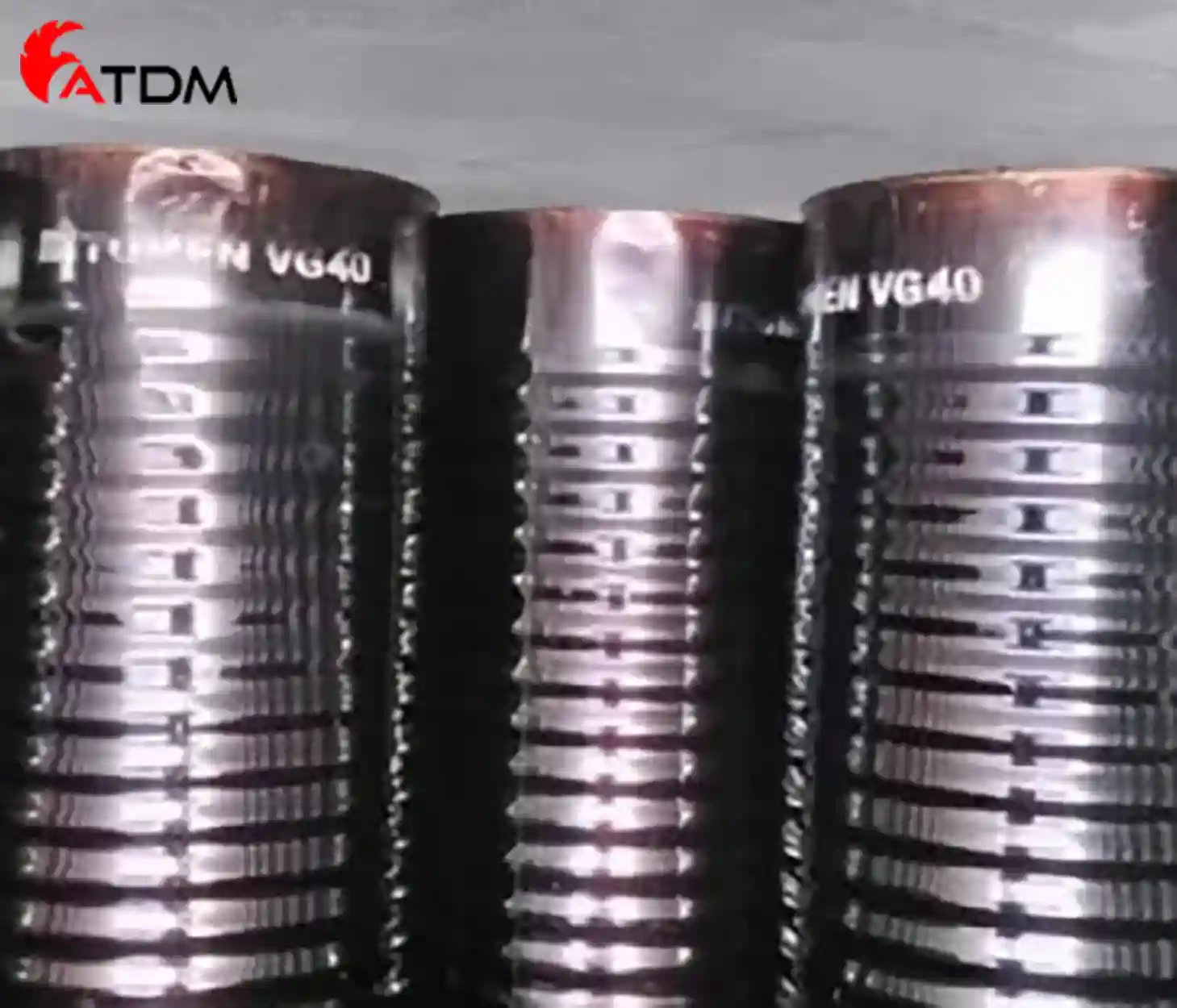
When projects demand strength, durability, and long-term resistance to heavy traffic and high temperatures, VG 40 bitumen becomes a practical and dependable solution. This viscosity grade bitumen is engineered for applications where pavement stability and resistance to rutting are critical. Whether you are working on highways, expressways, or industrial roads, vg 40 bitumen delivers the mechanical performance required for demanding environments.
In simple terms, Bitumen VG 40 is a high-viscosity asphalt binder produced under controlled refining conditions. Its viscosity level ensures better stiffness at elevated temperatures while maintaining workable handling during mixing and laying. For contractors and procurement managers, this balance means fewer deformation issues and longer pavement life.
Viscosity grade bitumen is classified based on its resistance to flow at specific temperatures. Compared to lighter grades, VG 40 has higher viscosity. That means it is thicker, stronger, and more resistant to deformation.
Table of Contents
ToggleThis makes it suitable for:
High-traffic highways
Urban intersections
Bus lanes and truck terminals
Heavy-duty industrial pavements
Unlike penetration grades, viscosity grades focus on performance under real temperature conditions. This ensures more predictable behavior during mixing and compaction.
When buyers search for bitumen vg 40 specifications, they usually want clarity on technical parameters. VG 40 typically complies with international standards such as IS 73 or equivalent specifications depending on the region.
Key typical properties include:
Absolute viscosity at 60°C: Minimum 3200 Poise
Kinematic viscosity at 135°C: Minimum 350 cSt
Softening point: Around 50–60°C
Flash point: Above 220°C
Penetration at 25°C: Controlled within defined limits
Ductility: Minimum 40 cm
These parameters ensure that the material performs well under heavy loads and high service temperatures.
In regions where pavement temperatures rise significantly, lower viscosity grades may soften excessively. VG 40 solves this issue by providing improved resistance to rutting.
Engineers prefer VG 40 because:
It reduces permanent deformation.
It improves load-bearing capacity.
It enhances structural stability.
It increases pavement service life.
In major road construction projects, especially highways and express corridors, VG 40 is often specified to ensure durability under continuous traffic pressure.
To better understand its position in the viscosity family, it helps to compare VG 40 with other grades.
For example, BITUMEN VG 10 is a softer grade suitable for colder climates or surface dressing applications. It offers better flexibility but lower resistance to deformation compared to VG 40.
VG 40, on the other hand, is designed for hot climates and heavy-load conditions. The difference lies mainly in viscosity levels and temperature performance.
Many buyers actively search for the bitumen vg 40 rate to plan procurement budgets. The rate depends on several factors:
Crude oil price fluctuations
Refinery production capacity
Seasonal demand
Export logistics and freight costs
Packaging type (bulk, drum, jumbo bag)
Because it is a premium high-viscosity product, its price can be slightly higher than mid-range grades. However, the extended pavement lifespan often justifies the investment.
When evaluating costs, professionals should also consider the overall bitumen viscosity grade price structure across different grades to select the most suitable technical and economic option.
The vg 40 bitumen price is influenced by supply chain elements such as:
Origin country
Quality certification
Inspection and testing
Payment terms
Incoterms (FOB, CIF, CFR)
Export buyers must also factor in freight and insurance costs. Reliable suppliers provide transparent quotations and updated pricing aligned with global crude trends.
For accurate and competitive vg 40 bitumen price, working directly with established exporters ensures consistency in quality and delivery.
VG 40 bitumen is widely used in:
Its high stiffness improves structural strength under continuous heavy traffic.
Container yards and logistic hubs benefit from its rutting resistance.
Where high pressure and heat are common, VG 40 performs reliably.
High-load intersections require durable asphalt binders.
In all these applications, correct mixing temperature and compaction procedures are essential to achieve optimal performance.
VG 40 bitumen must be stored in heated tanks to maintain workability. Recommended storage temperatures usually range between 150°C and 170°C, depending on handling requirements.
Best practices include:
Avoid overheating above flash point.
Maintain consistent temperature control.
Prevent water contamination.
Use insulated tankers during transportation.
Proper storage protects viscosity characteristics and ensures consistent quality at the project site.
Professional suppliers offer VG 40 bitumen in various packaging formats:
Bulk shipments in bitumen tankers
New steel drums (typically 150–180 kg)
Jumbo bags for specialized export
Bitutainers for international shipping
Choice of packaging affects logistics cost and unloading efficiency.
Reliable suppliers conduct strict laboratory testing before shipment. Each batch is accompanied by:
Certificate of Analysis (COA)
Test reports confirming compliance
Inspection documentation if required
This ensures that the delivered material meets required bitumen vg 40 specifications and project standards.
When sourcing vg 40 bitumen for large-scale infrastructure projects, working with an experienced exporter is essential. ATDM supplies viscosity grade bitumen with full quality control procedures, export documentation, and flexible shipping solutions.
With structured logistics support and transparent communication, ATDM helps contractors and distributors secure stable supply chains for ongoing projects.
In addition, ATDM provides technical assistance to ensure the selected grade matches climate conditions and traffic load requirements.
VG 40 is particularly recommended for:
Tropical and subtropical regions
High solar radiation areas
Heavy axle load highways
Its stiffness helps prevent surface distortion during peak summer temperatures. However, in colder climates, lower viscosity grades may be more suitable to avoid cracking.
Investing in VG 40 bitumen offers several advantages:
Reduced maintenance cycles
Lower long-term rehabilitation costs
Improved pavement durability
Enhanced traffic safety
Although initial vg 40 bitumen price may vary based on market conditions, the performance return often outweighs short-term cost differences.
When selecting a supplier for vg 40 bitumen, consider:
Production consistency
Quality certification
Export experience
Packaging flexibility
Competitive pricing
Request updated bitumen vg 40 rate quotations and verify technical documentation before finalizing purchase contracts.
VG 40 bitumen is a high-performance viscosity grade binder designed for heavy-duty and high-temperature applications. It provides structural stability, rutting resistance, and long service life for demanding infrastructure projects.
Understanding bitumen vg 40 specifications, comparing grades carefully, and evaluating market pricing trends allow buyers to make informed procurement decisions.
For contractors, engineers, and traders seeking reliable performance in major infrastructure developments, vg 40 bitumen remains a strong and dependable choice in the viscosity grade family.