
The construction industry relies heavily on reliable waterproofing systems, and the sbs bitumen membrane stands out as one of the most trusted solutions. It delivers exceptional protection against water leakage, moisture damage, and structural deterioration.
Contractors and engineers prefer this membrane because it combines flexibility, durability, and strong adhesion. It performs exceptionally well in both residential and commercial projects, making it a widely used waterproofing material across roofs, basements, bridges, and foundations.
The SBS waterproofing membrane full form is Styrene-Butadiene-Styrene modified bitumen membrane. SBS is a synthetic rubber that enhances the flexibility of bitumen, allowing it to withstand extreme weather conditions without cracking or breaking.
Table of Contents
ToggleThis modification makes the membrane highly elastic and suitable for regions with temperature fluctuations.
The SBS membrane is produced by blending bitumen with SBS polymer, resulting in a rubber-like waterproofing sheet.
Bitumen base
SBS polymer modifier
Reinforcement layer (polyester or fiberglass)
Protective mineral or sand finish
Why SBS Improves Flexibility
SBS polymers increase elasticity, allowing the membrane to stretch and return to its original shape. This prevents cracks and ensures long-term waterproofing performance.
The sbs bitumen membrane is widely chosen due to its strong technical advantages.
It forms a continuous barrier that blocks water penetration even under high pressure conditions.
It performs efficiently in both cold and hot climates without losing structural integrity.
When installed correctly, it can last for many years with minimal maintenance requirements.
Understanding technical specifications helps in selecting the right product for your project.
Common thickness options include:
2 mm
3 mm
4 mm
Tensile Strength
High tensile strength ensures resistance against stretching and mechanical stress.
SBS membranes offer excellent elongation capacity, which prevents tearing under movement or settlement.
Proper installation ensures maximum performance of the membrane.
The surface must be clean, dry, and free from dust or oil before application.
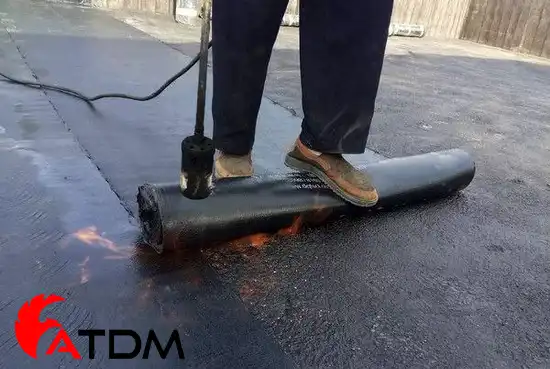
Installers use a gas torch to heat the underside of the membrane, allowing it to bond securely with the surface.
Sheets are overlapped and sealed carefully to ensure a fully waterproof layer with no gaps.
The SBS membrane waterproofing price depends on several important factors.
Higher quality SBS membranes cost more due to better reinforcement and polymer content.
Skilled labor is required for torch-on installation, which impacts overall cost.
Large-scale projects often reduce per-square-meter cost due to bulk application efficiency.
The sbs bitumen membrane offers several advantages:
High elasticity
Strong adhesion
Long service life
Excellent waterproofing performance
Resistance to cracking and aging
This membrane is used in:
Basement protection
Tunnel lining
Bridge decks
Parking structures
While both are bitumen membranes, SBS offers better flexibility, whereas APP membrane performs better in high heat conditions. SBS is preferred in colder and variable climates due to its elasticity.
To extend lifespan:
Inspect surfaces regularly
Repair minor damages immediately
Avoid mechanical punctures
Keep drainage systems clean
Choosing a reliable supplier is critical for waterproofing success. ATDM provides high-quality sbs bitumen membrane solutions that meet international standards. Their products ensure long-lasting protection and consistent performance for all construction needs.
Another advantage of working with ATDM is their technical support and consistent product quality. They ensure every sbs bitumen membrane batch undergoes strict quality testing, helping contractors achieve reliable waterproofing results without compromise.
1. What is SBS bitumen membrane used for?
It is used for waterproofing roofs, basements, tunnels, and other structures exposed to moisture.
2. What does SBS stand for in waterproofing?
SBS stands for Styrene-Butadiene-Styrene polymer.
3. How long does SBS membrane last?
With proper installation, it can last 10–20 years or more.
4. Is SBS membrane waterproofing expensive?
The SBS membrane waterproofing price depends on thickness, quality, and project size.
5. Can SBS membrane be installed on old roofs?
Yes, but the surface must be properly cleaned and prepared before installation.
6. What makes SBS membrane better than regular bitumen?
Its elasticity and crack resistance make it more durable and reliable.
The sbs bitumen membrane is one of the most efficient waterproofing solutions available today. Its flexibility, durability, and excellent sealing properties make it ideal for a wide range of construction applications. From residential rooftops to heavy infrastructure projects, it ensures long-lasting protection against water damage.
With trusted suppliers like ATDM, you can secure high-performance membranes that meet modern construction standards and deliver long-term value.