
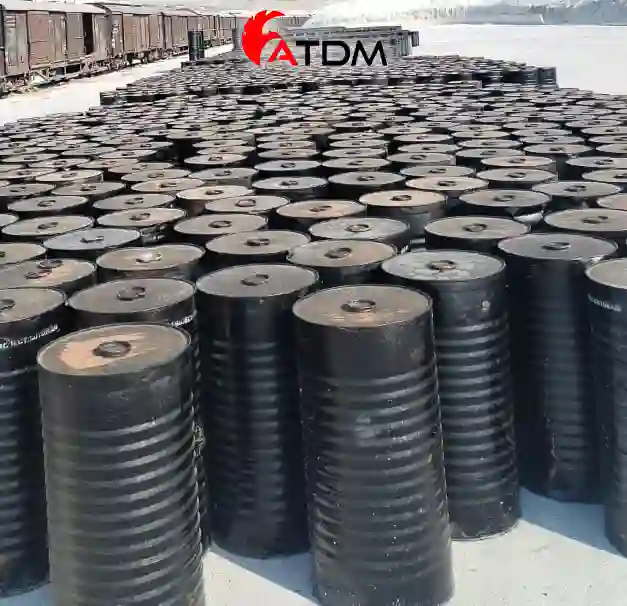
Vacuum Bottom Bitumen plays a vital role in modern infrastructure, industrial manufacturing, and waterproofing solutions. As global demand for durable roads, long-lasting roofing materials, and high-performance construction products continues to grow, this petroleum-derived material remains a key component in numerous industries.
Manufacturers produce Vacuum Bottom Bitumen as a residual product during the vacuum distillation stage of crude oil refining. Although it originates as a refinery residue, it delivers exceptional value because of its strong adhesive properties, water resistance, durability, and flexibility. Consequently, industries worldwide rely on it to create products that withstand heavy traffic, harsh weather conditions, and long-term environmental exposure.
In this article, we will explore the production process, characteristics, advantages, applications, and market importance of Vacuum Bottom Bitumen. Furthermore, we will discuss why selecting a reliable supplier such as ATDM is essential for ensuring consistent quality and dependable supply.
Table of Contents
ToggleWhat Is Vacuum Bottom Bitumen?
Vacuum Bottom Bitumen is a heavy hydrocarbon residue obtained from the bottom section of a vacuum distillation unit within an oil refinery. Refiners process crude oil through atmospheric distillation first. Then, they transfer the heavier fractions to a vacuum distillation tower, where reduced pressure allows separation at lower temperatures.
As lighter components evaporate and separate, a dense residual material remains at the bottom of the vacuum tower. This material is commonly known as:
Vacuum Bottom Bitumen
Vacuum Residue Bitumen
Vacuum Tower Bottoms (VTB)
Heavy Bituminous Residue
Refinery Residual Bitumen
Because it contains high molecular weight hydrocarbons, Vacuum Bottom Bitumen exhibits excellent binding and waterproofing characteristics. Therefore, manufacturers use it as a base material for various bituminous products and industrial applications.
How Vacuum Bottom Bitumen Is Produced
The production process involves several refining stages that transform crude oil into useful petroleum products.
1. Crude Oil Distillation
Initially, refineries heat crude oil and feed it into an atmospheric distillation column. During this stage, lighter products separate based on their boiling points.
These products typically include:
LPG
Naphtha
Gasoline
Kerosene
Diesel
Fuel oils
However, heavier fractions remain after this separation.
2. Vacuum Distillation
Next, refiners transfer the heavy atmospheric residue into a vacuum distillation unit.
Since the system operates under reduced pressure, heavy hydrocarbons vaporize without excessive thermal cracking. As a result, refiners recover valuable vacuum gas oils while preserving the quality of the remaining residue.
3. Recovery of Vacuum Bottoms
Finally, the heaviest portion collects at the bottom of the vacuum tower. This residue becomes Vacuum Bottom Bitumen.
Depending on refinery requirements, producers may further process, blend, oxidize, or modify the material to create specialized bitumen grades.
Key Properties of Vacuum Bottom Bitumen
Several unique characteristics make Vacuum Bottom Bitumen highly valuable across different industries.
High Viscosity
Vacuum Bottom Bitumen possesses a thick and dense consistency. Therefore, it performs exceptionally well as a binder and sealing material.
Excellent Adhesion
The material strongly adheres to aggregates, concrete, metal, and other surfaces. Consequently, engineers use it extensively in road construction and waterproofing systems.
Water Resistance
Because bitumen repels water effectively, it helps protect structures from moisture damage and corrosion.
Thermal Stability
Vacuum residue bitumen maintains performance under varying temperature conditions. As a result, it remains suitable for different climate zones.
Durability
Its resistance to aging and weathering contributes to long service life in demanding applications.
Flexibility
Despite its dense composition, properly processed bitumen can accommodate structural movement and thermal expansion.
Advantages of Vacuum Bottom Bitumen
Many industries prefer Vacuum Bottom Bitumen because it offers significant economic and technical benefits.
Cost-Effective Raw Material
Since it originates from refinery residue streams, it provides an economical feedstock for producing various bituminous products.
Moreover, manufacturers can maximize refinery efficiency by converting heavy residues into valuable commercial materials.
Long-Term Performance
Projects that use quality bitumen often require less maintenance over time. Therefore, organizations can reduce lifecycle costs significantly.
Environmental Efficiency
Modern refineries strive to utilize every portion of crude oil effectively. Consequently, converting vacuum residue into useful products supports resource optimization.
Versatile Applications
Vacuum Bottom Bitumen serves multiple industries, including:
Road construction
Roofing
Industrial manufacturing
Energy applications
This versatility increases its commercial value and global demand.
Applications of Vacuum Bottom Bitumen
Road Construction
Road paving remains one of the most important applications of Vacuum Bottom Bitumen.
Engineers use bitumen as a binding agent that holds aggregate materials together. As a result, roads gain strength, flexibility, and resistance to traffic loads.
Benefits in road construction include:
Enhanced pavement durability
Better resistance to cracking
Improved waterproofing
Increased load-bearing capacity
Longer service life
Furthermore, bituminous pavements provide smoother driving surfaces and lower maintenance requirements.
Waterproofing Systems
Water infiltration can severely damage buildings and infrastructure. Therefore, waterproofing materials play a critical role in construction projects.
Manufacturers use Vacuum Bottom Bitumen to produce:
Waterproof membranes
Protective coatings
Foundation sealants
Basement waterproofing systems
Tunnel protection layers
Because of its excellent water resistance, bitumen creates an effective barrier against moisture penetration.
Roofing Materials
The roofing industry depends heavily on bituminous products.
Producers incorporate Vacuum Bottom Bitumen into:
Roofing felt
Modified roofing membranes
Built-up roofing systems
Industrial roof coatings
As a result, roofs gain enhanced protection against rain, sunlight, and temperature fluctuations.
Industrial Coatings
Many industrial facilities require protective coatings that withstand harsh environments.
Bitumen-based coatings help protect:
Steel structures
Pipelines
Storage tanks
Marine equipment
Underground installations
Additionally, these coatings reduce corrosion risks and extend equipment lifespan.
Pipe and Pipeline Protection
Pipeline operators frequently use bituminous coatings to safeguard transportation systems.
These coatings provide:
Corrosion resistance
Moisture protection
Mechanical durability
Long-term reliability
Consequently, pipeline maintenance costs often decrease over time.
Bitumen Modification Feedstock
Vacuum Bottom Bitumen often serves as a feedstock for advanced bitumen products.
Manufacturers may modify it using:
Polymers
Rubber compounds
Chemical additives
Oxidation processes
These modifications improve performance for specialized engineering applications.
Vacuum Bottom Bitumen vs. Other Bituminous Materials
Understanding the differences between Vacuum Bottom Bitumen and other bitumen products helps buyers select the right material.
| Feature | Vacuum Bottom Bitumen | Oxidized Bitumen | Polymer Modified Bitumen |
|---|---|---|---|
| Source | Vacuum distillation residue | Air-blown bitumen | Modified base bitumen |
| Flexibility | Moderate | Lower | High |
| Cost | Economical | Moderate | Higher |
| Processing | Minimal | Additional oxidation | Advanced modification |
| Applications | General industrial use | Roofing and waterproofing | Premium paving solutions |
Although each material serves specific purposes, Vacuum Bottom Bitumen remains an essential base product within the bitumen supply chain.
Factors Affecting Vacuum Bottom Bitumen Quality
Several variables influence final product quality.
Crude Oil Type
Different crude oils produce residues with varying characteristics. Therefore, feedstock selection significantly affects performance.
Refinery Technology
Modern refining systems enable better control over processing conditions. Consequently, producers achieve more consistent product quality.
Vacuum Distillation Conditions
Temperature, pressure, and residence time directly impact residue composition.
Storage and Handling
Proper storage prevents contamination and preserves product integrity.
For this reason, buyers should work with experienced suppliers that maintain strict quality control procedures.
Global Demand for Vacuum Bottom Bitumen
Infrastructure development continues to drive demand worldwide.
Several factors contribute to market growth:
Expanding Road Networks
Governments invest heavily in transportation infrastructure. As a result, demand for bituminous materials remains strong.
Urban Development
Rapid urbanization increases the need for roads, bridges, tunnels, and buildings.
Waterproofing Requirements
Modern construction standards emphasize moisture protection. Therefore, bitumen-based waterproofing products continue to gain popularity.
Industrial Expansion
Growing industrial sectors require protective coatings and specialized bituminous materials.
Because of these trends, Vacuum Bottom Bitumen remains an important commodity in global markets.
Storage and Transportation Considerations
Maintaining product quality requires proper logistics management.
Temperature Control
Bitumen must remain within recommended temperature ranges during storage and transportation.
Specialized Equipment
Companies typically transport Vacuum Bottom Bitumen using:
Heated tank trucks
Bitumen tankers
Insulated containers
Heated storage tanks
Safety Procedures
Operators must follow established safety protocols to prevent accidents and preserve product quality.
Furthermore, regular inspections help ensure efficient handling throughout the supply chain.
Choosing a Reliable Vacuum Bottom Bitumen Supplier
Selecting the right supplier directly impacts project success.
A dependable supplier should provide:
Consistent product quality
Competitive pricing
Reliable logistics
Technical support
International supply capabilities
Quality certifications
Additionally, suppliers should understand market requirements and maintain strong relationships with refineries and customers.
ATDM as a Trusted Supplier of Vacuum Bottom Bitumen
When sourcing high-quality Vacuum Bottom Bitumen, choosing an experienced and reliable supplier is essential. ATDM is recognized as a trusted supplier of bitumen and petroleum products, serving customers across various international markets.
ATDM focuses on:
Consistent product quality
Reliable global supply
Professional customer support
Competitive market solutions
Efficient logistics management
Moreover, ATDM understands the technical requirements of road construction, waterproofing, industrial manufacturing, and infrastructure projects. Therefore, customers can rely on ATDM for dependable sourcing solutions and long-term business partnerships.
Whether buyers require bulk shipments or customized supply arrangements, ATDM aims to meet industry demands with professionalism and efficiency.
Future Outlook for Vacuum Bottom Bitumen
The future of Vacuum Bottom Bitumen remains promising. Infrastructure investment continues to increase worldwide, while construction and industrial sectors maintain strong demand for durable materials.
At the same time, refiners are improving production technologies to enhance efficiency and sustainability. Consequently, Vacuum Bottom Bitumen will likely remain a valuable feedstock for advanced bituminous products and engineering applications.
Furthermore, innovations in modified bitumen technologies may create additional opportunities for utilizing vacuum residue materials in high-performance construction systems.
Conclusion
Vacuum Bottom Bitumen serves as a fundamental material in modern infrastructure, waterproofing, industrial coatings, and manufacturing applications. Produced during vacuum distillation, this heavy refinery residue delivers outstanding adhesion, durability, water resistance, and versatility.
Because of its broad range of uses, Vacuum Bottom Bitumen continues to support road construction, roofing systems, pipeline protection, and advanced bitumen production worldwide. Additionally, growing infrastructure investment and urban development are expected to sustain long-term demand.
To ensure product consistency and project success, businesses should partner with experienced suppliers. In this regard, ATDM stands out as a reliable supplier of Vacuum Bottom Bitumen and other bitumen products, offering dependable quality, efficient logistics, and professional support for customers around the world.