
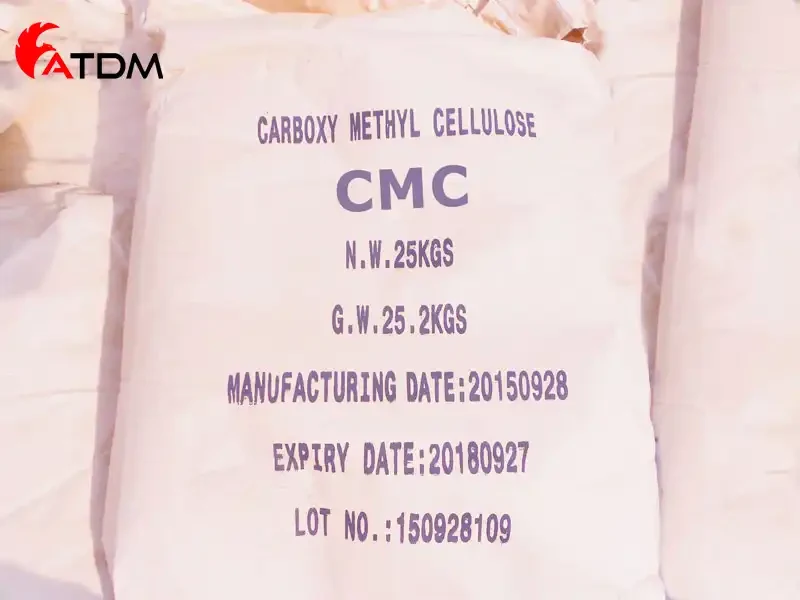
CMC in Oil Drilling plays a vital role in modern drilling operations. It helps improve the performance of drilling fluids, making the process more efficient and cost-effective. Without additives like CMC, drilling would face serious challenges such as unstable boreholes and excessive fluid loss.
Role of CMC in Drilling Fluids
CMC is mainly used in water-based drilling fluids. It enhances fluid stability and improves the carrying capacity of the mud. This means it can effectively transport cuttings from the drill bit to the surface.
Table of Contents
ToggleKey Properties of CMC
CMC stands out because of its unique physical and chemical properties. These properties make it a preferred additive in drilling operations.
Rheological Control
CMC helps control the flow behavior of drilling fluids. It ensures the mud remains thick enough to carry debris but fluid enough to circulate easily. This balance is critical for smooth drilling operations.
Filtration Control
Another key property of CMC is its ability to reduce fluid loss. It forms a protective barrier that prevents drilling fluids from seeping into porous rock formations. This improves efficiency and reduces waste.
Benefits of Using CMC in Oil Drilling
Using CMC in Oil Drilling offers several advantages that directly impact performance and cost.
Enhanced Well Stability
CMC strengthens the walls of the borehole by forming a thin, stable layer. This reduces the risk of collapse and keeps the drilling process safe and controlled.
Reduced Fluid Loss
Fluid loss can be expensive and harmful to the environment. CMC minimizes this problem by sealing porous formations. As a result, companies save money and reduce environmental impact.
Improved Lubrication
CMC also improves the lubricating properties of drilling fluids. This reduces friction between the drill string and the wellbore. Lower friction means less wear and tear on equipment.
Types of CMC Used in Drilling
Different types of CMC are used depending on the drilling conditions.
Low Viscosity CMC
Low viscosity CMC is ideal for situations where minimal thickening is needed. It mainly helps control filtration without significantly altering fluid flow.
High Viscosity CMC
High viscosity CMC is used when stronger thickening is required. It improves the carrying capacity of drilling fluids and enhances borehole cleaning.
Applications of CMC in Drilling Operations
CMC is widely used in various drilling scenarios.
Water-Based Mud Systems
Most commonly, CMC is used in water-based mud systems. It improves fluid performance and ensures smooth drilling operations.
Enhanced Oil Recovery
CMC also plays a role in enhanced oil recovery. It helps maintain fluid stability and improves the efficiency of extraction processes.
Challenges and Limitations
Despite its benefits, CMC has some limitations.
Compatibility Issues
CMC may not always work well with certain additives. Compatibility testing is essential to ensure optimal performance.
Cost Considerations
High-quality CMC can be expensive. However, the long-term benefits often outweigh the initial cost.
Choosing the Right CMC Supplier
Selecting a reliable supplier is crucial for achieving the best results.
Importance of Trusted Suppliers
A trusted supplier ensures consistent quality and performance. Poor-quality CMC can lead to operational issues and increased costs.
Why ATDM Stands Out
Companies like ATDM are known for delivering high-quality CMC products. They provide reliable solutions that meet industry standards. Choosing ATDM ensures better performance and long-term value.
Future Trends of CMC in Oil Drilling
The future of CMC in drilling looks promising.
Sustainable Drilling Solutions
As environmental concerns grow, eco-friendly CMC formulations are becoming more popular. These solutions reduce environmental impact while maintaining efficiency.
Advanced Formulations
New technologies are improving the performance of CMC. Advanced formulations offer better stability, higher efficiency, and improved compatibility with other additives. Trusted suppliers like ATDM continue to innovate and provide cutting-edge solutions.
FAQs about CMC in Oil Drilling
1. What is the main use of CMC in oil drilling?
CMC is used to control viscosity and reduce fluid loss in drilling fluids.
2. Is CMC environmentally friendly?
Yes, CMC is biodegradable and considered environmentally safe compared to many synthetic additives.
3. Can CMC be used in all drilling conditions?
It works best in water-based systems but may require adjustments for specific conditions.
4. How does CMC improve drilling efficiency?
It enhances fluid stability, reduces friction, and improves cuttings transport.
5. What is the difference between low and high viscosity CMC?
Low viscosity focuses on filtration control, while high viscosity improves fluid thickness and carrying capacity.
6. Why is choosing the right supplier important?
A reliable supplier ensures consistent quality and better drilling performance.
Conclusion
CMC in Oil Drilling is an essential component that enhances efficiency, reduces costs, and improves overall drilling performance. Its ability to control fluid behavior, reduce filtration loss, and stabilize boreholes makes it indispensable in modern operations.
As technology advances, carboxymethyl cellulose will continue to evolve, offering even better solutions for the oil and gas industry. By choosing high-quality products from trusted suppliers, companies can maximize the benefits and ensure successful drilling operations.