
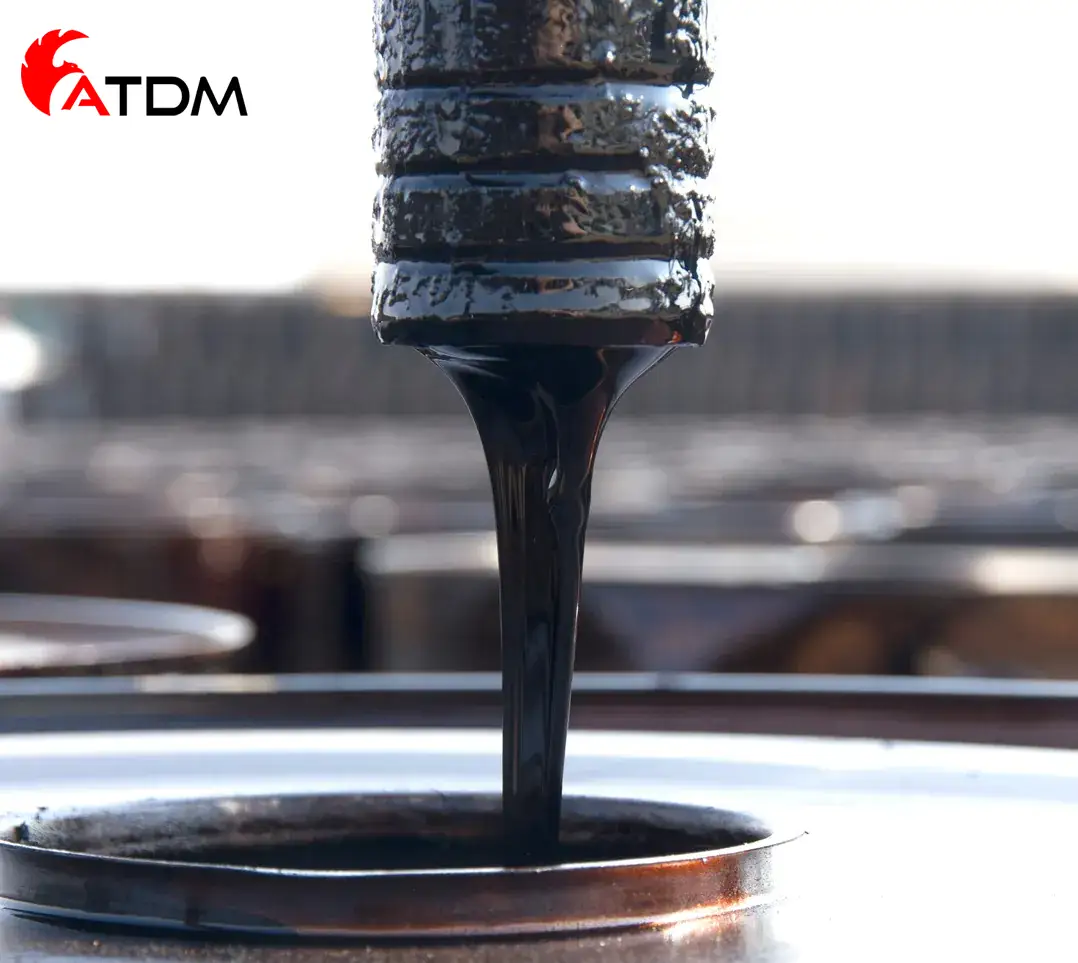
Understanding the Bitumen Temperature Range matters in nearly every paving and construction project that uses asphalt. Without the correct heat levels, contractors may face poor performance, weak pavements, or material wastage. In this guide, you will find everything about the ideal temperature bands, practical heating tips, storage recommendations, and how temperature directly affects bitumen behavior.
Firstly, let’s define what bitumen is and why temperature plays such a crucial role. Bitumen, sometimes called asphalt binder or tar, acts as the glue that holds aggregates together in paving mixtures. Because it behaves as a viscous liquid, its physical properties change rapidly with temperature. Therefore, knowing the optimal bitumen temperature range ensures strong, durable road surfaces.
Why Bitumen Temperature Matters
Temperature influences how easily bitumen flows, mixes, and bonds with aggregate particles. At low temperatures, bitumen becomes stiff and brittle, making it hard to mix with stones properly. On the other hand, at excessively high temperatures, bitumen can age prematurely or break down, losing its adhesive qualities.
Table of Contents
ToggleConsequently, professionals always monitor:
Mixing temperature for asphalt
Compaction temperature range
Storage temperature for bitumen
Heating temperature for bitumen
All these elements fall under the broader topic of bitumen temperature control.
Standard Temperature Ranges for Bitumen
Although the ideal bitumen temperature range may vary depending on grade and formulation, the following ranges serve as a general benchmark:
1. Bitumen Storage Temperature
Keeping bitumen at the right temperature before use prevents it from cooling and solidifying. Typically:
Storage temperature:110°C to 160°C (230°F to 320°F)
This range keeps bitumen fluid yet not overheated. In addition, maintaining this range reduces the risk of oxidation.
2. Bitumen Heating Temperature
Before mixing with aggregates, bitumen must reach a temperature where it flows smoothly. Usually:
Heating temperature:140°C to 170°C (284°F to 338°F)
Heating beyond the upper limit can make bitumen susceptible to thermal degradation, which weakens its chemical structure.
3. Mixing Temperature for Asphalt
When bitumen combines with graded stone material (aggregate) to form hot mix asphalt (HMA), the temperature must allow both ingredients to blend thoroughly. A typical range is:
Mixing temperature:150°C to 165°C (302°F to 329°F)
At this point, bitumen coats each particle thoroughly, which supports durability once the pavement cools.
4. Compaction Temperature Range
Once the asphalt mix has been laid on the road surface, crews must compact it before it cools below the effective compaction temp:
Compaction temperature range:130°C to 150°C (266°F to 302°F)
If compaction occurs too late, voids and weak spots may form.
Temperature and Bitumen Grades
Bitumen comes in several grades based on properties like viscosity and penetration value. Each grade has its own optimum operating temperature window:
Penetration Grade Bitumen: suits moderate climates and normal paving conditions.
Viscosity Grade Bitumen: gives more predictable temperature handling when precision heating is required.
Polymer‑Modified Bitumen (PMB):requires slightly different temperature handling because of added additives that improve elasticity.
In every case, the following principle holds true: bitumen must remain within its functional thermal range from storage to final compaction.
How to Measure Bitumen Temperature Accurately
Temperature measurements should never rely on guesswork. Workers use digital infrared thermometers or thermocouples inserted into the bitumen tank or mix. Accurate readings make sure that temperature falls inside the recommended band.
In addition, daily logs help supervisors track when heaters turned on, how long bitumen stayed at a given temperature, and whether any spikes occurred that could risk product integrity.
Common Temperature‑Related Issues and Solutions
1. Bitumen Too Cold
If bitumen loses heat, it thickens and resists coating aggregates. Consequently, road surfaces become weak and prone to cracking.
Solution: Increase heating temperature or improve insulation on storage tanks.
2. Bitumen Too Hot
When bitumen overheats, it becomes too thin and loses strength once it cools.
Solution: Reduce heater settings and monitor temperature continuously.
3. Rapid Temperature Drops
Sudden cool downs during transport or delays can affect mix quality.
Solution: Use insulated transport tanks, and plan logistics to avoid waiting times.
Tools for Maintaining Bitumen Temperature
Companies rely on these technologies to keep bitumen at target temperatures:
Thermocouple sensors
Tank insulation systems
Automated heating controllers
Temperature alarms and alerts
These tools help reduce thermal waste and improve consistency from batch to batch.
Safety Considerations When Heating Bitumen
Working with heated bitumen requires strict safety adherence:
Wear protective gear like heat‑resistant gloves and goggles.
Never leave heating equipment unattended.
Ensure good ventilation to minimize exposure to fumes.
Safety does not end with equipment. Training workers on recognizing temperature hazards matters just as much.
Environmental Effects of Temperature Mismanagement
Incorrect temperature management increases energy consumption and emissions. For instance, overheating bitumen requires extra fuel, which raises carbon emissions unnecessarily.
By controlling temperature precisely, companies reduce their environmental footprint and save on operating costs.
Best Practices for Bitumen Temperature Range Control
Experts recommend the following best practices:
Plan temperature rise gradually to prevent thermal shock in the bitumen.
Monitor temperature every 15–30 minutes during heating.
Use heaters with automated control systems for stable operations.
Insulate all tanks and mixing vessels to minimize heat loss.
Train your crew regularly on temperature effects and safety precautions.
These practices improve both performance and longevity of the final pavement.
The Future of Bitumen Temperature Control
With technology advancing, digital systems now automate heat control using smart sensors and AI‑enabled monitoring. These systems reduce human error and maintain bitumen within its exact thermal window from tank to road.
Moreover, research continues on modified bitumen blends that tolerate wider temperature ranges without losing strength. Such innovations aim to expand bitumen use in extreme hot or cold climates.
Why Your Project Depends on the Right Bitumen Temperature Range
Every successful asphalt paving job starts with proper temperature control. From the moment bitumen leaves storage to final compaction, each step depends on a specific temperature range. Therefore:
You improve adhesion by hitting optimal mixing temps.
You reduce material waste by avoiding overheating.
You extend pavement life by compacting at the right moment.
You enhance workplace safety through rigorous monitoring.
In short, consistent temperature practices create strong and durable roads.
Choose Reliable Bitumen Supply and Expertise
Whether you handle small driveway jobs or major highway contracts, you deserve quality materials and support. Companies like Basekim as Bitumen Supplier provide not only premium bitumen products but also guidance on temperature handling, storage recommendations, and tailored solutions for your local climate needs.
Frequently Asked Questions (FAQ) About Bitumen Temperature Range
1. What is the ideal bitumen temperature range for storage?
The ideal storage temperature for bitumen typically ranges between 110°C and 160°C (230°F to 320°F). Maintaining this range keeps the bitumen fluid and ready for heating without risking thermal degradation.
2. At what temperature should bitumen be heated for mixing?
For proper mixing with aggregates, bitumen should reach a temperature of 140°C to 170°C (284°F to 338°F). Heating above this range may damage its chemical structure and reduce adhesive quality.
3. What is the recommended mixing temperature for asphalt?
The mixing temperature for hot mix asphalt (HMA) generally falls between 150°C and 165°C (302°F to 329°F). This ensures the bitumen coats all aggregates evenly, providing durable pavement.
4. Why is the compaction temperature range important?
Compaction must occur before the asphalt cools below 130°C to 150°C (266°F to 302°F). Proper compaction ensures strong bonding, reduces voids, and improves pavement longevity.
5. Does bitumen grade affect its temperature range?
Yes. Different grades such as penetration grade, viscosity grade, or polymer-modified bitumen (PMB) require slightly different temperature handling to maintain optimal performance.
6. How can I accurately measure bitumen temperature?
Use digital infrared thermometers, thermocouples, or automated temperature sensors. Regular monitoring ensures the bitumen stays within its safe thermal window during heating, mixing, and compaction.