
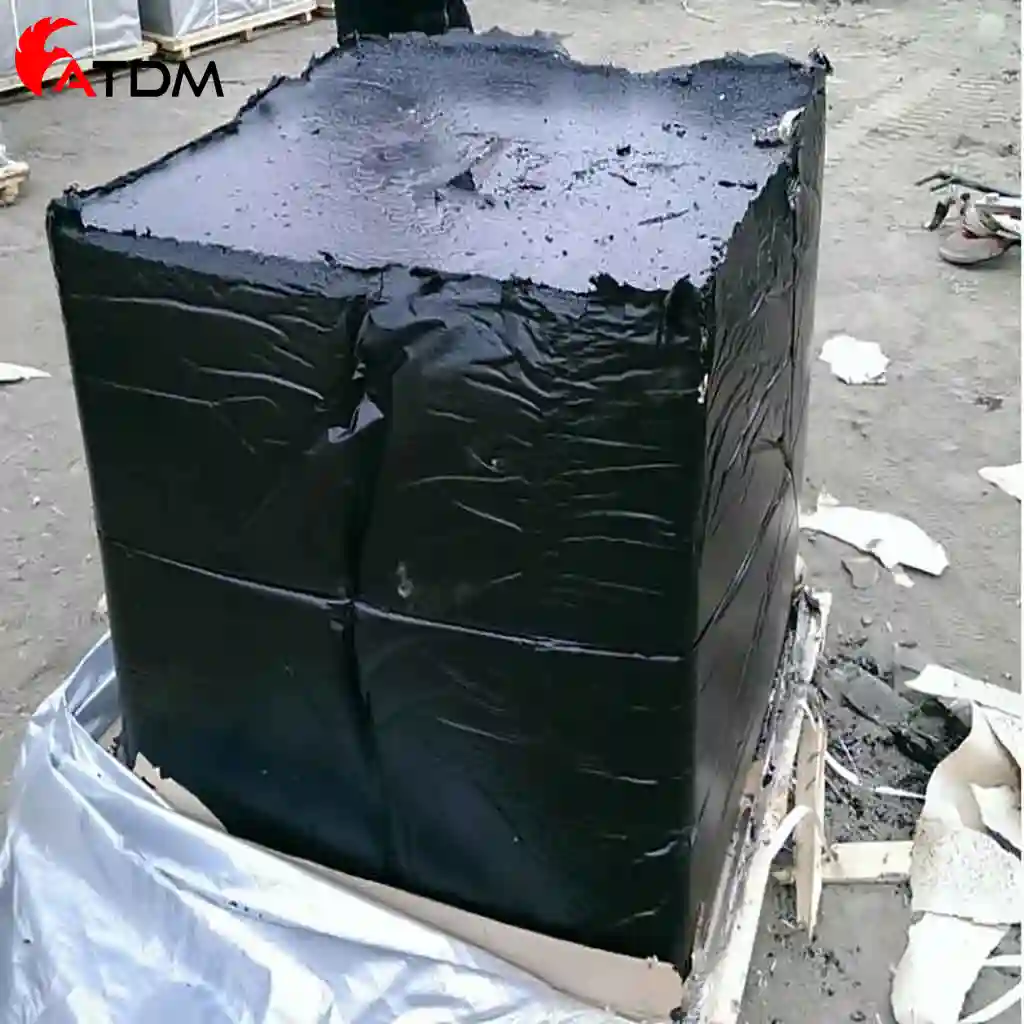
Bitumen storage stability directly affects material quality, operational efficiency, and project performance. Industries that store bitumen for long periods must maintain stable conditions to prevent oxidation, viscosity changes, sediment formation, and thermal degradation. Proper storage methods protect the consistency of the binder while reducing waste, downtime, and maintenance costs.
Manufacturers, road contractors, waterproofing plants, and industrial facilities rely on stable bitumen storage systems to maintain production quality. When companies apply correct temperature management, insulation systems, circulation methods, and contamination control, they significantly improve storage life and material performance.
Modern facilities now focus on advanced storage tank engineering, automated temperature monitoring, and optimized heating systems to maintain long-term bitumen storage stability. Reliable suppliers such as ATDM also support industries with high-quality bitumen products designed for safer handling and improved storage performance.
Table of Contents
ToggleImportance of Bitumen Storage Stability in Industrial Operations
Bitumen storage stability ensures that the material retains its original physical and rheological properties throughout storage and transportation. Stable storage conditions help industries avoid costly material degradation and maintain consistent application quality.
Poor storage conditions often lead to:
Increased viscosity
Material hardening
Phase separation
Sedimentation
Reduced adhesion performance
Oxidative aging
Pumping difficulties
Consequently, industries prioritize stable storage systems to maintain production continuity and reduce operational risks. Stable bitumen also improves paving consistency, waterproofing performance, and industrial coating reliability.
Moreover, proper storage stability extends the usable lifespan of the material. This advantage lowers procurement frequency and minimizes unnecessary financial losses.
Key Factors That Affect Bitumen Storage Stability
Several environmental and operational conditions directly influence bitumen storage stability. Facilities that understand these variables can implement preventive measures more effectively.
Temperature Fluctuation
Temperature variation remains one of the biggest threats to stable bitumen storage. Frequent heating and cooling cycles accelerate oxidation and viscosity changes.
Therefore, facilities should maintain controlled storage temperatures at all times. Consistent heating preserves the material’s elasticity and flow properties while preventing premature aging.
Oxidation and Aging
Continuous exposure to oxygen gradually hardens bitumen. Oxidation increases stiffness, reduces flexibility, and weakens performance characteristics.
As a result, storage tanks should minimize direct air exposure. Many modern systems now use sealed tanks and nitrogen blanketing to reduce oxidation risks.
Moisture Contamination
Water contamination creates serious operational problems during pumping and application. Moisture causes foaming, pressure instability, and uneven heating.
For this reason, facilities should inspect tanks regularly and maintain sealed loading systems to prevent water entry.
Tank Design and Insulation
Storage tank quality strongly impacts thermal consistency. Poor insulation increases energy consumption while creating uneven temperature zones.
Well-insulated tanks maintain stable internal temperatures and improve overall storage efficiency. Additionally, advanced insulation reduces fuel costs and minimizes heat loss.
Best Temperature Range for Stable Bitumen Storage
Temperature management plays a critical role in preserving bitumen storage stability. Operators should always maintain temperatures within recommended ranges to avoid thermal damage.
Most industrial applications maintain storage temperatures between 140°C and 170°C depending on the grade and formulation.
However, prolonged overheating creates severe problems, including:
Thermal cracking
Increased oxidation
Reduced penetration value
Binder hardening
Excessive fumes
Therefore, automated temperature control systems provide significant advantages.
Recommended Heating Systems
Modern storage facilities commonly use:
Hot oil heating systems
Electric heating systems
Steam coil heating
Direct-fired heaters
Among these options, hot oil systems often provide the most uniform heating performance.
Avoiding Overheating Problems
Operators should avoid sudden temperature increases because rapid heating damages binder structure. Instead, gradual heating ensures better thermal stability and reduces material stress.
Furthermore, continuous monitoring systems help facilities maintain safe operational temperatures.
Role of Storage Tanks in Bitumen Quality Preservation
Storage tanks directly influence long-term material quality. Properly engineered tanks improve circulation, reduce sedimentation, and maintain thermal consistency.
Vertical Tanks vs Horizontal Tanks
Vertical tanks generally offer better heat retention and space efficiency. In contrast, horizontal tanks may experience uneven heat distribution in larger capacities.
Consequently, many industrial plants prefer vertical insulated tanks for bulk bitumen storage.
Agitation and Circulation Systems
Circulation systems improve bitumen storage stability by preventing localized overheating and material separation.
Continuous circulation also provides:
Uniform temperature distribution
Better viscosity control
Reduced sludge formation
Improved pumping efficiency
As a result, facilities achieve more stable operational performance.
How Oxidation Impacts Bitumen Storage Stability
Oxidation remains a major concern during long-term storage. Even moderate oxygen exposure gradually changes the chemical structure of bitumen.
These changes typically increase stiffness while reducing elasticity.
Air Exposure Reduction Techniques
Industries commonly reduce oxidation by:
Using sealed storage tanks
Limiting unnecessary venting
Reducing empty tank space
Maintaining stable temperatures
These methods significantly slow oxidative aging.
Nitrogen Blanketing Advantages
Nitrogen blanketing systems replace oxygen with inert gas inside storage tanks. Consequently, oxidation rates decrease substantially.
This technology provides excellent benefits for long-term industrial storage applications.
Polymer Modified Bitumen Storage Stability Challenges
Polymer modified bitumen requires even stricter storage control because polymer separation can occur during extended storage periods.
Without proper circulation, polymers may settle or separate from the base binder.
Separation Prevention Methods
Industries prevent separation through:
Mechanical agitation
Continuous circulation
Stable heating
Controlled storage duration
These techniques maintain homogeneous binder composition.
Continuous Mixing Benefits
Continuous mixing improves consistency while preventing phase instability. Additionally, it enhances application reliability and production quality.
Therefore, many facilities install automated mixing systems for polymer modified bitumen storage.
Common Bitumen Storage Problems and Solutions
Several operational issues reduce bitumen storage stability when facilities ignore preventive maintenance.
Sludge Formation
Sludge develops from oxidation, contamination, and prolonged overheating. Over time, sludge blocks pipelines and reduces heating efficiency.
Regular tank cleaning helps minimize buildup.
Sedimentation Issues
Heavy particles may settle at the tank bottom during long storage periods. Consequently, circulation systems become essential for maintaining uniform composition.
Thermal Cracking Risks
Excessive temperatures break down molecular structures and damage binder quality. Operators should therefore maintain precise heating control throughout storage cycles.
Bitumen Handling and Transportation Stability
Handling procedures also affect overall storage stability. Improper transportation conditions may trigger contamination and temperature loss.
Safe Pumping Procedures
Facilities should use temperature-controlled pumping systems to maintain flow consistency and reduce stress on the material.
Loading and Unloading Practices
Fast loading procedures often create temperature shock and air exposure. Instead, gradual transfer methods maintain product stability more effectively.
Moreover, insulated transport tanks preserve temperature consistency during delivery.
Industrial Standards for Bitumen Storage Stability
Many industries follow strict quality standards to maintain consistent storage performance. These standards focus on:
Temperature monitoring
Tank insulation quality
Oxidation control
Safety procedures
Material testing
Heating efficiency
Routine laboratory testing also helps companies monitor viscosity, penetration, softening point, and storage-related changes.
Consequently, facilities can identify quality deviations before application problems occur.
Why ATDM Is a Reliable Supplier for Bitumen Solutions
ATDM supports industrial projects with high-quality bitumen supply solutions designed for stable storage and reliable performance. The company focuses on consistent product quality, efficient logistics, and professional technical support.
Many contractors and industrial buyers choose ATDM because the company provides:
Reliable supply capacity
Quality-controlled bitumen products
Professional export solutions
Industrial-grade packaging
Consistent material performance
Additionally, ATDM helps clients maintain better operational efficiency through dependable supply chain management and quality assurance practices.
Frequently Asked Questions
Why is bitumen storage stability important?
Bitumen storage stability preserves material quality, prevents oxidation, and maintains consistent application performance during long-term storage.
What temperature is best for bitumen storage?
Most industrial operations maintain temperatures between 140°C and 170°C depending on the bitumen grade and storage duration.
How can oxidation in bitumen storage be reduced?
Industries reduce oxidation by using sealed tanks, nitrogen blanketing systems, stable temperatures, and minimal air exposure.
What causes polymer modified bitumen separation?
Improper heating, insufficient circulation, and long storage periods often cause polymer separation.
Which storage tank type works best for bitumen?
Vertical insulated tanks generally provide better heat retention and more stable temperature distribution.
Why do circulation systems improve bitumen storage stability?
Circulation systems maintain uniform temperature distribution while preventing sedimentation and localized overheating.
Conclusion
Bitumen storage stability remains essential for maintaining material performance, operational efficiency, and long-term industrial reliability. Proper temperature management, oxidation control, circulation systems, and tank design significantly improve storage outcomes while reducing material degradation.
Industries that implement advanced storage practices achieve better product consistency, lower maintenance costs, and improved project quality. Furthermore, reliable suppliers such as ATDM help companies maintain stable operations through consistent bitumen quality and dependable supply solutions.
As industrial demand continues to grow, advanced storage technologies and preventive maintenance strategies will remain critical for maximizing bitumen storage stability and protecting long-term material value.