
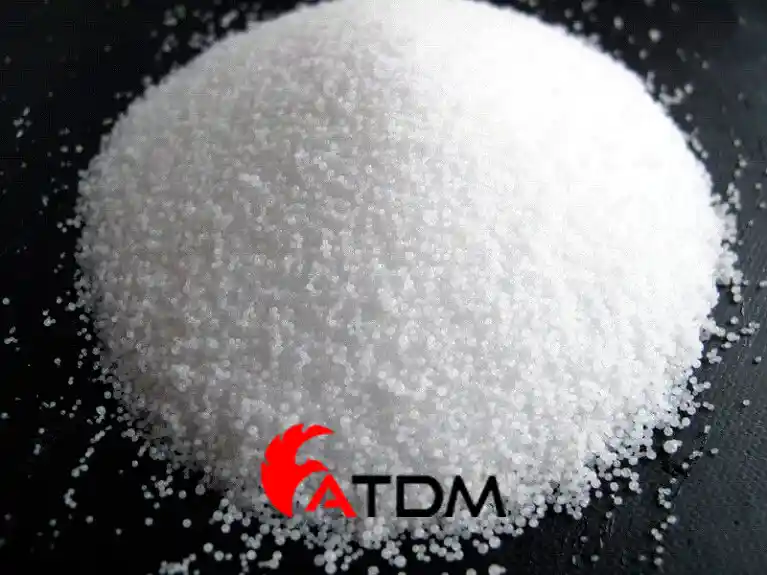
STTP (sodium tripolyphosphate) is an inorganic phosphate salt used to control water hardness, stabilize formulations, improve dispersion, and protect product performance in food, detergent, ceramic, and industrial processing lines. It solves real operational problems such as scale formation, protein breakdown, poor cleaning efficiency, and unstable mixtures. Engineers, procurement managers, and formulation teams use sttp when consistency, predictable performance, and regulatory-compliant quality matter in daily production. In real operations, the wrong sttp grade leads to yield loss, quality complaints, and rework—while the right one quietly keeps systems stable and efficient.
What STTP Actually Does in Real Operations
In theory, sttp is described as a sequestrant and dispersant.
In practice, it is a process stabilizer.
When you add sttp to a system, it binds calcium and magnesium ions. That one action prevents several downstream problems:
Scale formation in pipes and heat exchangers
Protein denaturation in food processing
Reduced surfactant efficiency in detergents
Particle agglomeration in ceramic slurries
In factories, sttp does not act alone. It interacts with water quality, temperature, pH, and shear forces. This is why two buyers using the “same spec” can get very different results.
Sodium Tripolyphosphate Formula and Technical Basics
The sodium tripolyphosphate formula is Na₅P₃O₁₀.
It is typically supplied as a white, free-flowing powder or granule.
From a buyer’s perspective, what matters is not the formula—but:
Chain length consistency
Hydrolysis rate
Insoluble matter content
Moisture stability during storage
Poor-quality sttp often breaks down faster into orthophosphates, reducing effectiveness long before the product reaches the process line.
Sodium Tripolyphosphate pH and System Compatibility
The sodium tripolyphosphate pH in solution usually falls in the 9.5–10.5 range at typical concentrations.
This matters because:
In food systems, pH affects protein binding and water retention
In detergents, pH influences enzyme stability
In ceramics, pH impacts dispersion and viscosity control
Experienced buyers always test sttp in their actual formulation, not just against a datasheet value.
Sodium Tripolyphosphate Uses Across Industries
1. Food Processing
Sodium tripolyphosphate in food is mainly used for:
Meat and poultry processing
Seafood preservation
Processed cheese and dairy blends
In real plants, sttp improves water retention, texture, and freeze-thaw stability. However, overdosing causes a soapy taste and regulatory issues. Underdosing leads to purge loss and poor appearance.
This is where food-grade sttp purity and solubility consistency matter more than price.
2. Detergent and Cleaning Formulations
In detergents, sttp acts as a water softener and performance booster.
Operators rely on sttp to:
Improve surfactant efficiency
Prevent redeposition of dirt
Maintain cleaning power in hard water
A common mistake buyers make is switching sttp suppliers without adjusting formulation ratios. Even small differences in particle size or hydration level change performance.
3. Ceramics and Industrial Slurries
Ceramic producers use sttp as a dispersant to control viscosity and particle suspension.
In practice:
Too much sttp causes over-deflocculation
Too little results in unstable slip behavior
Here, consistency between batches matters more than absolute purity numbers.
Sodium Tripolyphosphate Side Effects and Operational Risks
From an industrial viewpoint, sodium tripolyphosphate side effects are not about toxicity—they are about process failure.
Typical issues include:
Over-sequestration leading to formulation imbalance
Excess phosphate discharge causing wastewater treatment load
Regulatory non-compliance in food applications
This is why responsible buyers treat sttp as a controlled functional ingredient, not a cheap additive.
Sodium Tripolyphosphate Price: What Actually Drives Cost
Sodium tripolyphosphate price varies based on more than raw material cost.
Real pricing factors include:
Grade (food vs industrial)
P₂O₅ content consistency
Particle size control
Moisture resistance in packaging
Country of origin and phosphate source
Cheaper sttp often costs more over time due to higher consumption rates and quality issues.
How Buyers Choose the Right STTP Grade
Experienced procurement teams look beyond COA numbers.
They evaluate sttp based on:
Performance stability across batches
Dissolution speed in real conditions
Storage behavior in humid environments
Supplier responsiveness when issues arise
Choosing sttp only by specification sheet is a common mistake among new buyers.
Storage, Handling, and Shipping Insights
STTP is hygroscopic.
That single fact causes most downstream problems.
In warehouses:
Poor packaging leads to caking
Humidity accelerates hydrolysis
Improper stacking damages bags and drums
At ATDM, sttp is supplied with export-grade packaging suitable for long transit and variable climates—because we’ve seen what happens when this is ignored.
Common Buyer Questions Before Ordering STTP
1-Is food-grade sttp the same as industrial grade?
No. Food-grade sttp has tighter impurity and solubility controls.
2-Can I replace sttp with another phosphate?
Sometimes—but performance trade-offs are real and measurable.
3-Does higher purity always mean better performance?
Not necessarily. Application fit matters more.
Why Supplier Consistency Matters More Than Ever
In real operations, switching sttp suppliers without validation causes:
Reformulation delays
Customer complaints
Production downtime
Reliable suppliers understand applications, not just specifications.
ATDM supplies sttp to food processors, detergent manufacturers, and industrial users who require predictable performance, consistent quality, and export-ready logistics—not surprises.
Final Practical Insight
If sttp disappears from your process, problems appear quickly.
If it works correctly, nobody notices—and that is exactly the point.
A good sttp supplier helps you keep it that way.