
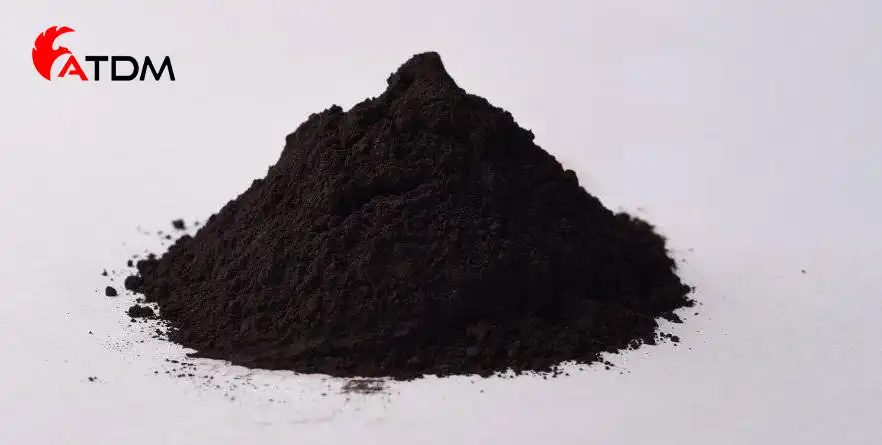
Hematite is a high-iron mineral used in heavy industry where weight, iron content, and consistency directly affect performance, cost, and process stability. In real operations, hematite solves problems related to density control, ballast weight, pigmentation, and iron feedstock reliability. It is used by drilling contractors, cement producers, construction material manufacturers, pigment processors, and steel-related industries that need predictable iron oxide behavior. Working with a reliable hematite supplier matters because variation in iron grade, moisture, particle size, or contamination can cause process issues, quality failures, or unexpected cost overruns.
Hematite is not just “iron oxide” on paper. In practice, its value comes from how it behaves in production lines, mixing systems, and finished products.
From field experience, buyers usually care about four things first:
Table of Contents
ToggleIron (Fe₂O₃) content consistency
Particle size distribution
Moisture level and handling behavior
Supply reliability across multiple shipments
A professional hematite supplier understands that even small deviations can affect slurry density, cement strength, pigment tone, or drilling fluid performance.
The chemical formula of hematite is Fe₂O₃, ferric oxide. On a lab report, this looks simple. In reality, the usable performance depends on purity and crystal structure.
From an operational viewpoint:
Higher Fe₂O₃ content means higher density and better weighting efficiency
Low silica and alumina reduce unwanted residue in industrial systems
Stable chemistry prevents unpredictable reactions during processing
A reliable hematite supplier provides consistent Fe₂O₃ levels batch after batch, not just one good sample.
Hematite formation occurs through oxidation of iron-rich minerals under specific geological conditions. This matters because formation history affects hardness, friability, and impurity profile.
From supply experience:
Naturally dense hematite performs better as a weighting material
Poorly formed deposits often generate excessive fines
Geological impurities translate directly into processing losses
Industrial buyers often underestimate how hematite formation influences grinding behavior and dust generation during handling.
Hematite color ranges from deep red to reddish-brown and dark gray, depending on particle size and structure.
In industrial use:
Fine hematite powder shows stronger red pigmentation
Coarser material appears darker and is preferred for weighting
Color variation can indicate inconsistent particle sizing
A serious hematite supplier controls color indirectly by controlling grinding, classification, and moisture—not by cosmetic adjustments.
One of the most misunderstood questions is about hematite magnetic behavior.
In practice:
Hematite is weakly magnetic or non-magnetic
It does not respond like magnetite
Magnetic separation is sometimes used only to remove contaminants
For engineers, this matters when designing separation or recycling systems. A knowledgeable hematite supplier will clarify this early to avoid incorrect equipment assumptions.
From real-world usage, hematite benefits include:
High density for weighting and ballast applications
Stable chemistry under heat and pressure
Low solubility and chemical resistance
Cost efficiency compared to synthetic iron materials
These hematite benefits are why it remains widely used in drilling fluids, radiation shielding concrete, heavy cement, and industrial flooring.
A professional hematite supplier typically serves multiple sectors:
Oil & gas drilling: Density control in drilling fluids
Cement and concrete: Heavyweight concrete and radiation shielding
Pigments: Natural red iron oxide production
Ballast and counterweights: Infrastructure and machinery
Metallurgical processes: Iron feedstock blending
Each application requires different particle size, moisture control, and packaging standards.
The term hematite ring often appears due to commercial jewelry usage. In industrial supply, this is irrelevant.
From an industrial perspective:
Hematite rings are polished consumer products
Industrial hematite focuses on bulk material performance
Mechanical strength, not appearance, is critical
A serious hematite supplier distinguishes clearly between decorative uses and industrial material requirements.
Experienced buyers know not to rely only on datasheets. Key evaluation points include:
Sieve analysis, not just average particle size
Moisture tolerance during shipping
Bulk density consistency
Packaging suitability for handling equipment
Many operational problems come from choosing the wrong grade, not from the material itself.
From field experience, common mistakes include:
Assuming all hematite behaves the same
Ignoring moisture sensitivity during long transport
Overlooking contamination from poor storage
Choosing the lowest price instead of stable supply
A responsible hematite supplier helps buyers avoid these issues by setting expectations clearly.
Hematite is heavy, abrasive, and dust-generating if mishandled.
Best practices include:
Dry storage to prevent caking
Proper liner bags for bulk shipments
Controlled discharge systems to reduce wear
Clear labeling by batch and grade
Logistics experience matters as much as product quality when working with a hematite supplier.
In long-term industrial operations, consistency beats theoretical performance.
A reliable hematite supplier offers:
Stable sourcing from known deposits
Repeatable quality across shipments
Clear documentation and traceability
Real communication when issues arise
Engineers trust suppliers who understand operations, not just chemistry.
Hematite is a straightforward material on paper, but in real industry, its value depends on formation quality, processing control, and supplier discipline. Buyers who work with an experienced hematite supplier reduce operational risk, protect equipment, and maintain product consistency. This is why hematite remains a trusted industrial material when sourced and handled correctly.