
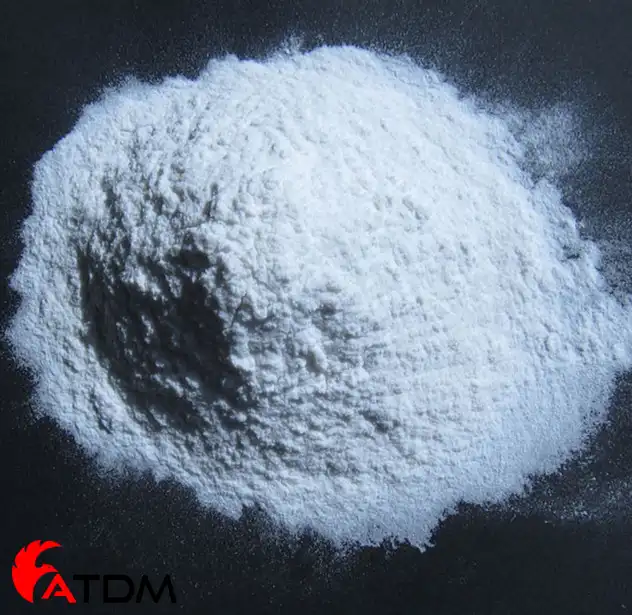
PAC Polyanionic Cellulose is a water-soluble polymer used in drilling and industrial fluid systems to control fluid loss, manage viscosity, and stabilize formations during operation. It solves real problems such as excessive filtrate loss, unstable boreholes, and poor rheology control in water-based fluids. Drilling contractors, mud engineers, and procurement teams rely on this material when operations demand predictable performance under variable water quality and temperature. It matters because inconsistent polymer quality directly increases chemical consumption, downtime, and operational risk.
In practice, this cellulose-based polymer acts as a functional control tool rather than a simple thickener. Engineers add it to water-based systems to reduce fluid invasion into permeable formations while maintaining manageable viscosity for circulation and cuttings transport.
Unlike basic natural polymers, PAC Polyanionic Cellulose hydrates efficiently and remains stable in saline or hard water environments. That stability explains why engineers specify it in wells where fresh water is unavailable or conditions change rapidly during drilling.
Table of Contents
ToggleField teams value the material because it performs consistently over time, not just during initial lab tests.
Most users associate this product with oil and gas drilling, but its application range is broader.
Typical uses include:
Water-based drilling fluids for oil and gas wells
Horizontal directional drilling and pipeline crossings
Workover and completion fluid systems
Geothermal drilling projects
Industrial slurry systems requiring fluid loss control
In each case, the polymer supports borehole stability by forming a thin, low-permeability filter cake while preserving pumpable rheology.
Buyers often assume one grade works for all applications. In reality, grade selection determines performance.
Suppliers typically offer:
Low-viscosity grades focused on filtration control
Regular or higher-viscosity grades that also contribute to rheology
Choosing the wrong grade leads to operational issues such as excessive pump pressure, poor hole cleaning, or overly thick filter cakes. Experienced engineers select PAC Polyanionic Cellulose based on the entire fluid formulation, not as an isolated additive.
On site, engineers evaluate polymer performance differently than laboratories.
Key factors include:
Hydration speed in real mixing conditions
Stability in saline or contaminated water
Resistance to thermal degradation
Ability to withstand shear during circulation
High-quality PAC Polyanionic Cellulose maintains function after prolonged circulation and repeated shear cycles. Lower-grade material may meet specifications initially but lose effectiveness during actual drilling.
From operational experience, several buyer mistakes repeat across projects.
The most frequent issues include:
Purchasing based only on price per ton
Ignoring batch-to-batch consistency
Assuming all PAC materials behave the same
Failing to align grade with application needs
These decisions often increase total chemical usage and operational cost rather than reducing expenses.
Although the product appears easy to store, handling practices directly affect performance.
Best practices include:
Keeping material in dry, ventilated warehouses
Preventing moisture exposure during transport
Using sealed, export-grade packaging
Avoiding prolonged exposure to heat
Once moisture penetrates packaging, premature hydration begins and reduces effectiveness. Many field complaints trace back to poor storage rather than formulation problems.
Buyers often compare this polymer with starches or synthetic alternatives.
In practical terms:
Natural starches degrade faster at elevated temperatures
Some synthetic polymers perform poorly in saline systems
Certain substitutes increase viscosity too aggressively
PAC Polyanionic Cellulose offers a balanced profile by controlling filtration while maintaining predictable rheology, which explains its continued use despite cost pressure.
Engineers do not rely solely on certificates or data sheets.
They observe:
Speed of viscosity development
Filter cake quality and thickness
Performance after salt contamination
Stability during extended circulation
Material that performs well under these conditions earns repeat approval. Material that fails rarely receives a second chance.
Many suppliers can provide documentation. Fewer deliver consistent material.
Operational risk increases when suppliers struggle with:
Variable raw material sourcing
Inconsistent processing control
Unstable export logistics
ATDM focuses on controlled sourcing and batch consistency because drilling operations depend on repeatability, not assumptions.
PAC Polyanionic Cellulose plays a critical role in drilling and industrial fluid systems by controlling losses, stabilizing operations, and protecting formations. When selected and handled correctly, it reduces operational risk and total chemical consumption.
Buyers should focus on grade suitability, consistency, and real-world performance rather than headline specifications alone. The most effective next step is to match application conditions with the correct polymer type and confirm supply reliability before ordering.
Experienced operators know that the right polymer prevents problems long before they appear on site.