
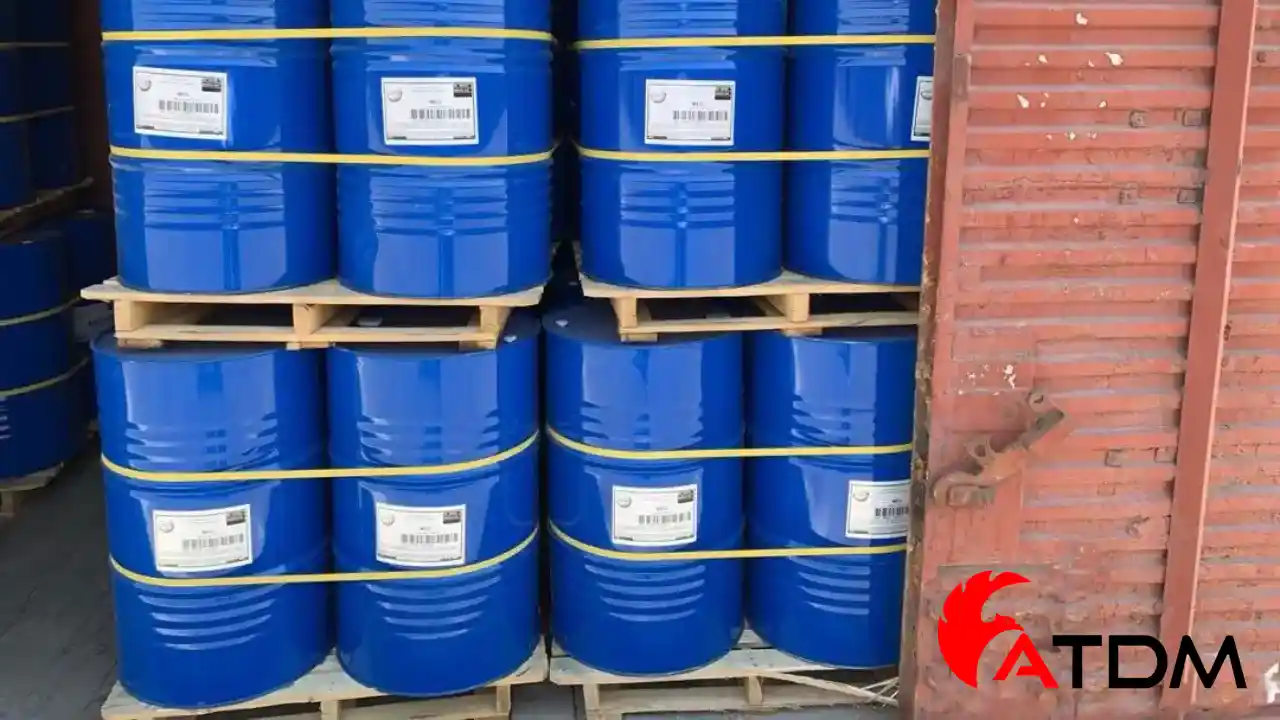
TEG triethylene glycol is a colorless, odorless, and viscous liquid widely recognized as the premier desiccant for natural gas dehydration, essential for removing water vapor to prevent pipeline corrosion and freeze-ups. Unlike lighter glycols, its high boiling point and thermal stability allow for efficient regeneration at higher temperatures, making it the preferred choice for rigorous processing environments in oil and gas refineries. Beyond the energy sector, it serves as a critical solvent in textile processing and a chemical intermediate in the production of polyester resins and plasticizers, offering low volatility and consistent performance.
To make an informed purchasing decision, it is vital to look beyond the generic name and understand the physical architecture of the product. The teg triethylene glycol formula is defined as C6H14O4. It belongs to the homologous series of dihydroxy alcohols, essentially acting as a heavier, more stable cousin to Monoethylene Glycol (MEG) and Diethylene Glycol (DEG).
For an engineer designing a processing unit, the triethylene glycol structure reveals two ether linkages and two hydroxyl groups. This structure is what gives TEG its defining characteristic: extreme hygroscopicity. It loves water. It will pull moisture out of a gas stream more aggressively than almost any other common industrial liquid.
Table of Contents
ToggleKey Technical Parameters for Buyers:
| Property | Value | Why It Matters |
| Triethylene glycol boiling point | 285°C (545°F) | Allows for high regeneration temperatures without the glycol decomposing or evaporating away. |
| Triethylene glycol density | 1.125 g/cm³ | Critical for calibrating circulation pumps and calculating storage tank loads. |
| Flash Point | 176°C (350°F) | Indicates a high safety margin regarding flammability during storage. |
| Viscosity | Moderate | Ensures the fluid flows smoothly through contactor towers even in colder climates. |
When you review a specification sheet (TDS), the purity is usually listed at a minimum of 99.0% or 99.5%. However, experienced buyers know to look at the water content and the color (Pt-Co scale). High water content in “fresh” product dilutes its efficiency immediately, and color variations can indicate oxidation or contamination from storage drums.
The vast majority of global teg triethylene glycol uses center on the natural gas industry. If you are operating a gas plant, you are likely familiar with the “glycol loop.”
In this process, “lean” (dry) teg triethylene glycol is pumped into the top of a contactor tower. As it flows down, it meets wet natural gas rising from the bottom. The TEG absorbs the water from the gas, becoming “rich” (wet) TEG. This rich glycol is then sent to a reboiler unit to be dried out and reused.
Why TEG beats MEG and DEG in this role:
While MEG and DEG are cheaper, they have lower boiling points. If you try to boil the water out of them too aggressively, you lose a significant amount of the glycol to evaporation. TEG triethylene glycol has a much higher boiling point ($285^\circ C$). This allows operators to heat the reboiler to higher temperatures (typically around $204^\circ C$), driving off almost all the water without losing the glycol itself. This results in a higher “dew point depression,” meaning the treated gas is significantly drier.
Operational Insight:
One common issue in dehydration units is “foaming.” While teg triethylene glycol is naturally low-foaming, contaminants like liquid hydrocarbons or fine particulates can cause it to foam in the contactor, leading to massive glycol losses. Experienced operators often request TEG with specific anti-foaming additives or ensure their filtration systems are robust enough to keep the glycol clean.
While gas dehydration dominates the volume, teg triethylene glycol is versatile.
Air Sterilization: Due to its low teg triethylene glycol toxicity relative to other industrial chemicals, it is used in air sanitization systems. When aerosolized, TEG vapor has virucidal and bactericidal properties. It is often used in hospitals or pharmaceutical clean rooms to control airborne microbes.
Chemical Intermediate: Manufacturers of unsaturated polyester resins and polyurethanes utilize TEG to modify the flexibility of the final plastic. It acts as a plasticizer, making brittle polymers more durable and resistant to cracking.
Specialty Solvents: Its ability to dissolve gums, resins, and nitrocellulose makes it a valuable component in printing inks and textile dyes. It ensures the dye remains fluid during processing but sets correctly upon drying.
The teg triethylene glycol price is rarely static. It is a downstream derivative of Ethylene, which comes from crude oil or natural gas liquids. Therefore, the price fluctuates with the global energy market.
However, supply constraints often hinge on the availability of Ethylene Oxide (EO). When major EO plants undergo maintenance or “turnarounds,” the supply of glycols tightens, driving prices up.
Smart Procurement Tips:
Contract vs. Spot: Because dehydration units must run continuously, relying on the spot market is risky. Most industrial buyers secure term contracts to ensure supply continuity.
bulk vs. Packaged: TEG triethylene glycol is available in bulk ISO tanks, flexi-bags, or 230kg drums. For export, drums are standard, but they increase the price per metric ton. If you have on-site storage capacity, ordering via ISO tank is significantly more economical.
Quality control does not end when the product leaves the ATDM facility; it extends to how you store it. TEG triethylene glycol is hygroscopic—if you leave a drum open, it will pull moisture from the air, ruining its concentration.
Storage Recommendations:
Material: Carbon steel is generally acceptable for storage, provided the tank is clean. However, for high-purity applications (like polyester fiber grade), stainless steel or lined tanks are recommended to prevent iron pickup.
Nitrogen Blanketing: To prevent oxidation, which forms corrosive acids, storage tanks should ideally have a nitrogen blanket. Oxidized glycol turns dark and becomes acidic, which can eat through the carbon steel piping in a reboiler.
Temperature: It should be stored at ambient temperatures. While it has a low freezing point, high viscosity in extreme cold can make pumping difficult without heat tracing.
Toxicity and Safety:
Regarding teg triethylene glycol toxicity, it is considered to have low acute toxicity. It is less toxic than Diethylene Glycol and Monoethylene Glycol. However, it is an industrial chemical. Standard PPE (gloves, goggles) should always be worn to prevent skin irritation. It should never be ingested. In the event of a spill, it is biodegradable, but large spills should be contained to prevent contamination of groundwater.
In the petrochemical supply chain, a specification sheet is only a promise. Delivery is the proof. When you order teg triethylene glycol, you are not just buying a liquid; you are buying the assurance that your gas plant won’t shut down due to a “wet gas” alarm or that your resin production won’t stall due to contaminated raw materials.
We understand that a variance in triethylene glycol density or an off-spec pH level can cause operational headaches that cost thousands of dollars an hour. At ATDM, we focus on consistent sourcing, rigorous pre-shipment inspection, and logistics that ensure the product arrives with the same purity it had when it left the reactor.
Whether you are calculating the teg triethylene glycol volume needed for a new offshore platform or sourcing drums for a textile factory, the goal remains the same: efficient, stable, and compliant operations.