
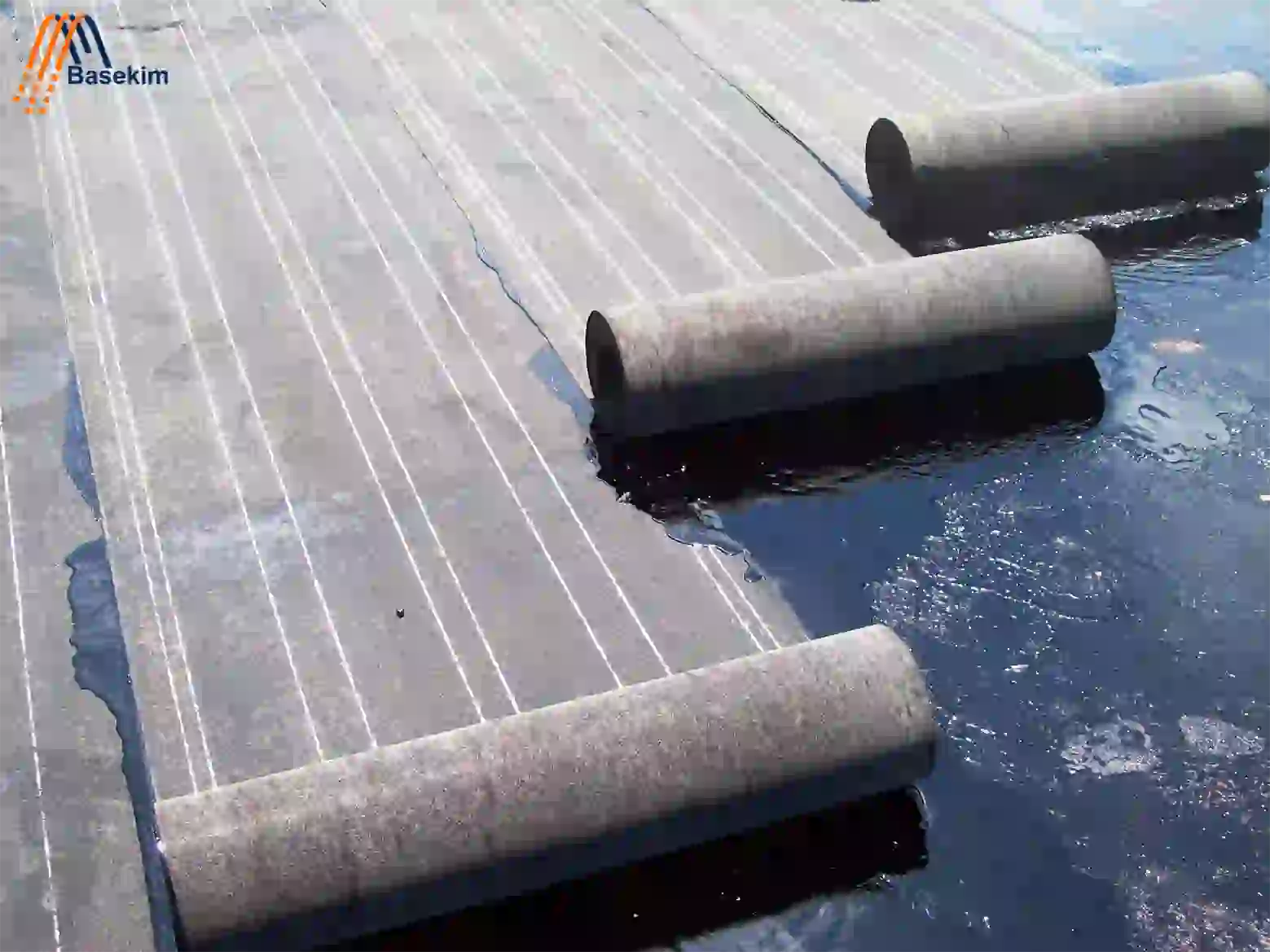
Bitumen membrane is one of the most reliable waterproofing materials used in construction today. It consists of a flexible, durable layer made from modified bitumen combined with reinforcement materials such as polyester or fiberglass. This combination creates a strong barrier that protects surfaces from water penetration, moisture damage, and environmental stress.
Builders and contractors apply bitumen membrane on roofs, foundations, basements, and concrete surfaces to ensure long-term protection. The membrane works by forming a seamless, watertight layer that blocks water from entering the structure. Unlike traditional waterproofing methods, it adapts to temperature changes and structural movement without cracking.
This product comes in different forms, including rolls and liquid coatings, making it versatile for various applications. Whether you need protection for a flat roof or a concrete slab, bituminous membrane offers a dependable solution. Many professionals trust suppliers like ATDM for high-quality materials that meet modern construction standards.
Table of Contents
ToggleManufacturers produce bitumen membranes by modifying asphalt with polymers such as APP (Atactic Polypropylene) or SBS (Styrene-Butadiene-Styrene). These additives enhance flexibility, elasticity, and resistance to extreme weather.
The membrane usually includes:
A top protective layer (mineral or foil finish)
A waterproof bitumen core
A reinforcement layer for strength
A backing layer for easy installation
Excellent waterproofing performance
High durability and long lifespan
Resistance to UV rays and chemicals
Flexibility in extreme temperatures
Easy installation and maintenance
Understanding the bitumen membrane waterproofing price helps you plan your project budget effectively. Prices vary depending on material type, thickness, and installation method.
Several factors influence pricing:
Type of membrane (APP or SBS)
Thickness and quality
Surface area to be covered
Labor and installation complexity
Geographic location
On average, bituminous membrane costs range between $3 to $10 per square meter. Premium products with advanced features may cost more, but they offer better performance and durability. Choosing a trusted supplier like ATDM ensures you receive value for your investment.
Using bitumen membrane for roof applications provides excellent protection against rain, snow, and UV exposure. It works especially well on flat or low-slope roofs where water tends to accumulate.
This material creates a continuous waterproof barrier, preventing leaks and extending the life of the roof. Its flexibility allows it to expand and contract with temperature changes without losing effectiveness.
The installation process typically includes:
Cleaning and preparing the roof surface
Applying a primer
Rolling out the membrane
Heating or adhering the membrane
Sealing edges and joints
Proper installation ensures maximum performance and longevity.
Contractors widely use membrane roll sheet for concrete to protect foundations and underground structures. Concrete absorbs water easily, which can lead to cracks and structural damage over time.
Applying a bitumen membrane prevents water infiltration and protects against soil moisture.
This solution offers long-term durability by resisting:
Water pressure
Chemical exposure
Soil movement
It keeps structures safe and stable for many years.
Bitumen membranes come in roll form, making them easy to transport and install.
APP membranes: Best for hot climates due to high heat resistance
SBS membranes: Ideal for cold climates because of flexibility
Choosing the Right Roll
When selecting a bitumen membrane roll, consider:
Climate conditions
Surface type
Project requirements
Choosing the right type ensures optimal performance.
Bitumen membrane paint is a liquid waterproofing solution applied with a brush or roller. It works well for small areas, complex shapes, and repairs.
Advantages:
Easy application
Cost-effective
Suitable for irregular surfaces
Limitations:
Requires multiple coats
Less durable than sheet membranes
Bituminous Membrane Waterproofing Method
The bituminous membrane waterproofing method involves several key steps:
Surface preparation
Primer application
Membrane placement
Heat or adhesive bonding
Joint sealing and finishing
Each step plays a crucial role in ensuring a watertight seal.
Poor surface preparation
Incorrect membrane alignment
Inadequate sealing
Skipping primer application
Avoiding these mistakes improves performance and lifespan.
Selecting the right supplier is just as important as choosing the right material. ATDM stands out for providing high-quality bitumen membrane products that meet industry standards. They offer reliable solutions, consistent quality, and professional support for all types of projects.
Working with ATDM ensures you receive durable materials and expert guidance, helping you achieve the best results in waterproofing.
1. What is the lifespan of bitumen membrane?
Bitumen membrane typically lasts 15 to 25 years, depending on quality and installation.
2. Can bitumen membrane be used on all roofs?
Yes, it works best on flat and low-slope roofs but can also be used on other surfaces.
3. Is bitumen membrane waterproofing expensive?
It offers a cost-effective solution compared to long-term repair costs.
4. What is the difference between membrane rolls and paint?
Rolls provide stronger protection, while paint is better for small areas and repairs.
5. How do I maintain a bitumen membrane?
Regular inspection and minor repairs help extend its lifespan.
6. Is professional installation necessary?
Yes, professional installation ensures proper sealing and performance.
Bitumen membrane remains one of the most effective waterproofing solutions available today. Its durability, flexibility, and ease of application make it ideal for roofs, concrete surfaces, and foundations. Whether you choose rolls or liquid coatings, this material provides long-lasting protection against water damage.
By understanding the different types, pricing factors, and installation methods, you can make informed decisions for your project. Partnering with trusted suppliers like ATDM ensures you get high-quality products that deliver reliable results.