
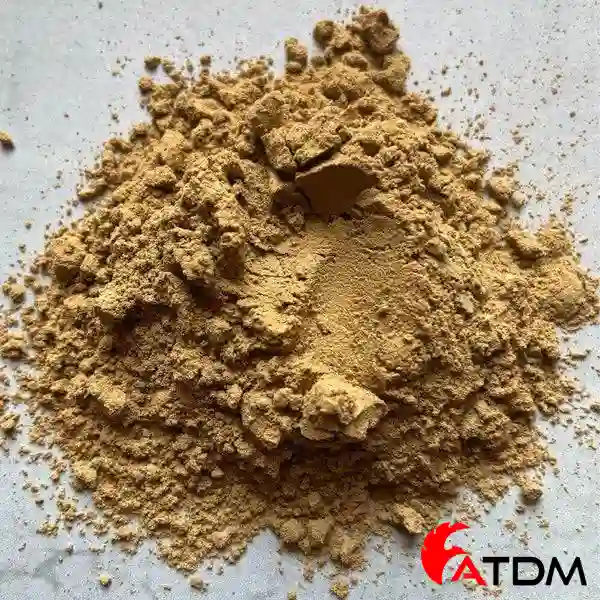
Bentonite is a functional industrial clay used to control water movement, stabilize soil and structures, bind materials, and manage viscosity in demanding operations. In real industrial settings, it solves practical problems such as groundwater leakage, borehole collapse, poor material cohesion, and inconsistent process control. It is used by construction engineers, drilling contractors, foundry operators, and procurement teams who need predictable behavior under pressure. Bentonite matters because its performance directly affects safety, durability, and cost efficiency in active projects—not just on paper, but on site.
Bentonite from a Real Industrial Viewpoint
In practice, bentonite is not evaluated by its name alone. Its value comes from how it reacts when it meets water, pressure, and movement. I’ve seen the same project specification succeed with one bentonite source and fail with another, even though both looked similar in lab reports.
What separates usable material from problematic material is not marketing language, but how the bentonite behaves during mixing, placement, and long-term exposure. Some grades hydrate evenly and predictably. Others swell too slowly, clump during mixing, or lose performance when water chemistry changes. These are the realities that engineers and buyers deal with in the field.
Bentonite Formula and Chemical Behavior in Practice
From a technical standpoint, the bentonite formula is based on hydrated aluminum silicate, dominated by the mineral montmorillonite. The layered structure of this mineral is what allows bentonite to absorb water and expand.
The bentonite chemical behavior becomes critical when conditions are less than ideal. Water salinity, pH, and temperature all influence swelling capacity. On paper, many materials meet standard specifications. In operation, only well-processed of this product maintains stable performance across variable conditions.
Understanding this behavior helps buyers avoid choosing a material that looks acceptable in a datasheet but underperforms on site.
Bentonite Uses That Matter in Industry
Bentonite uses are wide-ranging, but most industrial applications fall into a few core functions: sealing, stabilizing, binding, and controlling flow.
In drilling operations, bentonite supports borehole walls and carries cuttings efficiently. In foundry applications, it acts as a binder that must hold sand together while tolerating high temperatures. In civil engineering, it is used to control groundwater and stabilize excavations.
Across all these bentonite uses, consistency is the real requirement. Variations in swelling rate or particle distribution quickly translate into operational issues.
Bentonite in Construction and Civil Projects
Bentonite in construction is primarily about controlling risk. In diaphragm walls, tunneling, and foundation works, bentonite slurry supports excavations where collapse is not an option.
On multiple projects, I’ve seen contractors struggle because the bentonite selected for slurry walls lost viscosity too quickly or separated under pressure. These problems are rarely caused by installation alone. More often, they come from choosing material without understanding how it behaves during extended circulation and reuse.
In construction environments, bentonite must remain stable over time, not just during initial mixing.
Bentonite Waterproofing in Real Conditions
Bentonite waterproofing relies on controlled swelling to create a long-term barrier against water ingress. This sounds simple until the material meets groundwater with high mineral content or fluctuating moisture levels.
Poor-quality bentonite may swell unevenly or lose expansion capacity after repeated wet-dry cycles. In contrast, well-prepared bentonite powder activates consistently and maintains sealing performance over time.
This is why experienced engineers insist on testing bentonite waterproofing systems under actual site conditions, not just laboratory water.
Bentonite Powder: What Buyers Should Look For
Not all bentonite powder performs the same, even when particle size appears identical. Buyers should pay attention to practical indicators rather than relying only on specifications.
Key factors include hydration speed, dust behavior during handling, and stability during storage. Excessive fines create handling problems. Inconsistent moisture content leads to clumping and uneven activation.
In real operations, these issues slow down crews and increase material consumption.
Bentonite Price and the Hidden Cost of Poor Performance
Bentonite price is often compared per ton, but experienced buyers know this can be misleading. A lower-priced material that requires higher dosage, causes downtime, or fails early will increase total project cost.
I’ve seen projects where switching to cheaper bentonite saved money initially but resulted in higher consumption rates and corrective work. In contrast, stable material with consistent performance reduced labor time and waste.
When evaluating bentonite price, buyers should consider how the material behaves over the entire project lifecycle.
Storage, Handling, and Transport Realities
Bentonite is sensitive to moisture before use. Exposure during storage or transport can partially activate the material, reducing its effectiveness later.
Proper packaging, palletizing, and container loading are not logistics details—they are part of product quality. Once bentonite absorbs moisture prematurely, it cannot be restored.
In export and long-distance supply chains, handling discipline often determines whether the material performs as expected on arrival.
Common Buyer Mistakes with Bentonite
One common mistake is assuming that bentonite suitable for one application will perform the same in another. Drilling-grade material may not work for waterproofing. Construction-grade material may not meet foundry requirements.
Another frequent issue is skipping compatibility testing with local water or soil conditions. Bentonite reacts differently depending on its environment, and ignoring this leads to unpredictable results.
Experienced buyers treat bentonite as a functional component, not a generic filler.
Why Consistency Matters More Than Claims
In long-term projects, consistency is often more important than peak laboratory performance. Engineers prefer material that behaves the same every time, even if its headline numbers are slightly lower.
Switching bentonite sources mid-project introduces variability that can disrupt established procedures. This is why many industrial buyers prioritize continuity once a material proves reliable.
Frequently Asked Questions Buyers Ask About Bentonite
1. How do I know if a bentonite grade is suitable for my specific application?
The only reliable way is to evaluate bentonite under real operating conditions, not just laboratory water or ideal mixing ratios. Water chemistry, pressure, temperature, and reuse cycles all affect performance. Buyers should test hydration rate, swelling behavior, and stability using site water and realistic mixing equipment. A grade that performs well in drilling may not behave the same way in waterproofing or construction slurry applications.
2. Does bentonite performance change during storage or long projects?
Yes, it can. this product is sensitive to moisture exposure before use. Improper storage can lead to partial hydration, clumping, and reduced swelling capacity. Over long projects, consistency between shipments becomes critical. Even small variations in moisture content or particle distribution can change how the bentonite behaves during mixing and placement, which is why stable supply matters as much as initial quality.
3. Is higher swelling bentonite always better?
Not necessarily. Higher swelling can improve sealing, but excessive expansion may cause pressure-related issues in confined spaces or structural systems. The right product balances swelling capacity with stability. Experienced engineers select grades based on controlled performance, not maximum values on a datasheet.
Final Practical Perspective for Buyers
Bentonite is not a passive material—it reacts continuously with water, pressure, and its surrounding environment. Its real performance shows up during installation, circulation, and long-term exposure, not during specification review. Successful projects treat bentonite as a functional system component, chosen carefully, tested realistically, and handled correctly from storage to application.
For buyers who value consistency and operational reliability, working with an experienced supplier like ATDM helps reduce uncertainty across procurement, logistics, and repeat deliveries. When bentonite is supplied with stable quality and clear technical understanding, project teams can focus on execution instead of troubleshooting material behavior.