
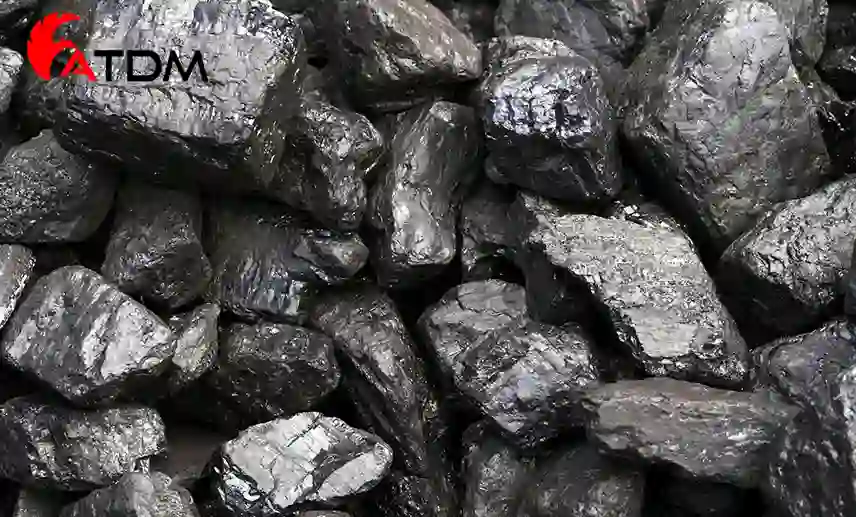
American gilsonite is a naturally occurring solid hydrocarbon mined primarily in the western United States and used as a performance additive in asphalt, drilling fluids, inks, coatings, and specialty industrial products. It matters because it improves strength, temperature resistance, and durability in systems where conventional bitumen or resins fall short. Engineers, asphalt producers, drilling contractors, and industrial formulators use it when they need higher performance without complex chemical modification.
What American Gilsonite Actually Is (and What It Is Not)
American gilsonite, often called natural asphalt or uintaite, forms through the solidification of petroleum over millions of years. Unlike refinery-produced bitumen, it occurs naturally in solid veins and requires mining, crushing, and grading rather than distillation.
It is not a synthetic polymer and not a refined petroleum product. Buyers often confuse it with oxidized bitumen or resin-based modifiers, but its origin and behavior differ significantly.
Table of Contents
ToggleFrom an industrial perspective, its value comes from:
High asphaltene content
Strong aromatic structure
Natural compatibility with bitumen and many organic systems
These properties give it reinforcing and stiffening effects without complex blending chemistry.
Key Physical and Chemical Characteristics
In real applications, buyers focus less on origin and more on performance indicators. Typical American gilsonite grades show:
High softening point compared to paving-grade bitumen
Low penetration and high rigidity
Excellent thermal stability
Insolubility in water and solubility in aromatic solvents
Most suppliers classify grades by ash content, softening point, and particle size rather than a single global standard. ASTM-related test methods often apply for softening point, ash, and solubility testing, even though gilsonite itself is not a standardized asphalt grade.
Why Engineers Use It in Asphalt and Road Construction
In asphalt modification, American gilsonite works as a natural performance enhancer. It stiffens the binder, increases resistance to rutting, and improves performance in high-temperature environments.
Contractors use it in:
Hot mix asphalt for heavy traffic roads
Airport pavements
Industrial yards and container terminals
From field experience, it performs best when blended carefully with base bitumen at controlled temperatures. Overuse can reduce low-temperature flexibility, so dosage control matters.
Common buyer questions include:
How much gilsonite should I add to my binder?
Will it affect workability during mixing and laying?
In practice, addition rates usually stay within controlled ranges to balance stiffness and flexibility.
Role in Oil & Gas Drilling Fluids
In drilling operations, American gilsonite serves a very different function. It acts as a lost circulation material and shale stabilizer in oil-based and synthetic drilling fluids.
Field engineers value it because it:
Seals micro-fractures in formations
Reduces fluid loss
Improves wellbore stability
Particle size selection matters here. Fine grades work for seepage control, while coarser grades address larger loss zones. Handling also matters, as moisture contamination can affect flowability during mixing.
Use in Industrial Coatings, Inks, and Sealants
Outside energy and construction, American gilsonite finds use as a functional resin-like material. Manufacturers use it in:
Industrial coatings
Pipe and tank linings
Anti-corrosion systems
Its natural gloss, hardness, and chemical resistance make it attractive in formulations where petroleum resins or coal-tar derivatives face regulatory or performance limits.
Formulators usually dissolve it in aromatic solvents before blending, which means solvent compatibility and safety handling remain key considerations.
Quality Control and Specification Considerations
From a procurement standpoint, quality consistency matters more than marketing claims. Reliable suppliers provide clear data on:
Ash content (indicator of mineral impurities)
Softening point range
Solubility percentage
Particle size distribution
Inconsistent mining or poor processing leads to variable performance, especially in asphalt and drilling applications. Experienced buyers request certificates of analysis and often run incoming QC checks before bulk use.
Handling, Storage, and Safety Notes
Although American gilsonite is solid and stable, it still requires proper handling:
Store in dry conditions to prevent caking
Avoid excessive dust during handling
Use standard industrial PPE
When melted or dissolved, operators should follow standard bitumen and solvent safety practices, including temperature control and ventilation.
Advantages and Practical Limitations
Advantages
Natural origin with proven industrial history
Strong performance enhancement in asphalt
Broad compatibility across industries
No need for complex chemical modification
Limitations
Can reduce low-temperature flexibility if overdosed
Requires controlled processing conditions
Quality varies by source and processing quality
Being clear about these limits helps buyers avoid misuse and unrealistic expectations.
Sourcing and Supply Reliability
American gilsonite supply depends on mining output, processing capability, and export logistics. Buyers sourcing internationally often look for suppliers who understand both technical requirements and export documentation.
ATDM supplies American gilsonite to industrial buyers who need consistent quality, clear specifications, and reliable shipment planning rather than speculative spot material.
How to Decide if American Gilsonite Fits Your Application
Before choosing this material, buyers should answer three practical questions:
Do I need higher stiffness or durability beyond standard bitumen or resin systems?
Can my process control blending temperature and dosage accurately?
Does my application tolerate reduced low-temperature flexibility?
If the answers align, American gilsonite often provides a cost-effective and proven solution.
Final Guidance for Industrial Buyers
American gilsonite is not a universal solution, but it remains a powerful natural additive when used correctly. Its value shows in demanding asphalt, drilling, and industrial formulations where durability and thermal resistance matter most.
For buyers evaluating it, the next step should involve reviewing detailed specifications, matching grades to applications, and confirming processing compatibility. A technical discussion with an experienced supplier helps ensure the material delivers the performance you expect.